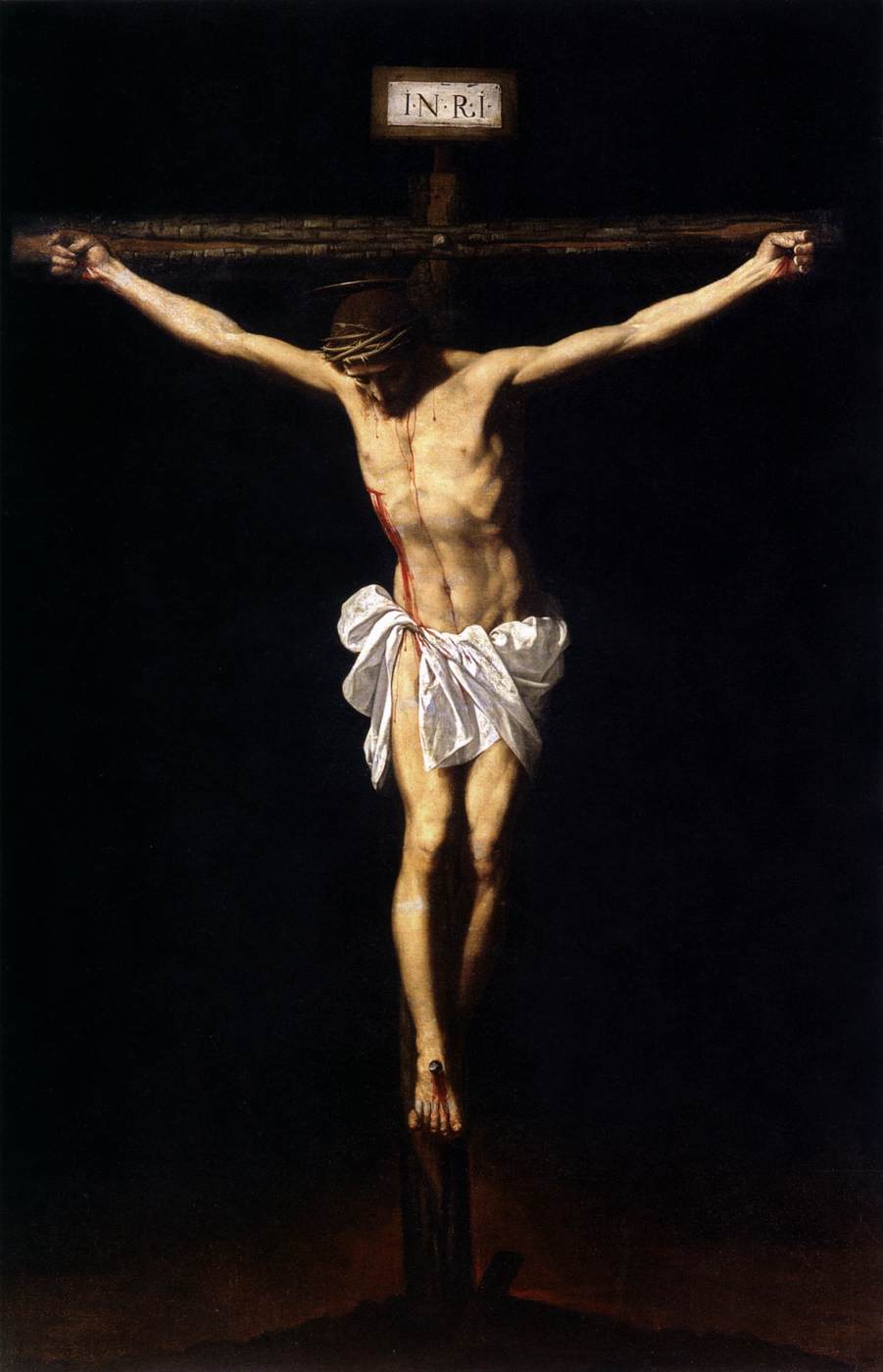
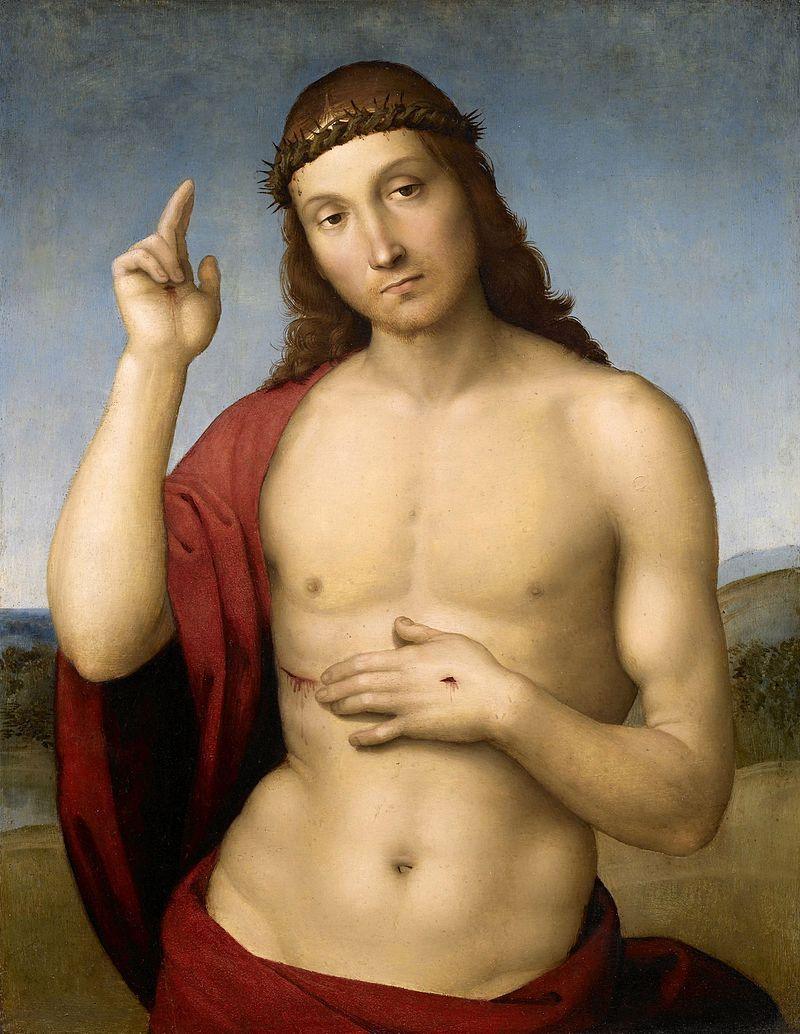
Art, in its purest essence, is an eternal dialogue between the creative genius and the viewer’s gaze. Through the centuries, masterpieces have transcended their time and context to become beacons of inspiration and reflection. Today, thanks to the skill of contemporary artists, it is possible to revive that connection, bringing pictorial grandeur into our personal spaces.
At KUADROS, we are dedicated to honoring this legacy. Each canvas we create is not just a copy, but an offering to art history, crafted with the same passion and technique that drove the great masters. We explore how these Hand-made oil painting reproductions can enrich our lives, offering a tangible window into the genius that defined entire eras.
A Journey Through Pictorial Mastery: The Eternity of Art
The Echo of Geniuses Through Time
The history of art is a tapestry woven with threads of innovation, emotion, and a profound understanding of the human condition. From primitive cave representations to complex contemporary abstractions, each era has left its indelible mark on visual expression. The masters of old did not merely reflect their time; they created visual languages that continue to resonate, inspire, and challenge later generations. The Renaissance, with its emphasis on perspective and anatomy, laid the foundations for centuries of artistic development. Later movements, such as the Baroque, introduced unprecedented drama and emotion, while Impressionism and the avant-garde of the 20th century broke radically with academic conventions, exploring new ways of perceiving and representing the world. The influence of these currents is still felt today in digital art and in art collecting trends in 2026, demonstrating the persistence and adaptability of artistic legacy.
Why reproductions capture the essence
High-quality reproductions, especially hand-painted oil on canvas reproductions, offer a unique way to experience the original artwork in a tangible form. Unlike digital prints, which capture the image but not the texture or depth, a hand-painted reproduction recreates the application of paint, the interaction of light with the layers of color, and the subtlety of the master's brushstrokes. This process makes it possible not only to admire the composition and colors, but also to feel the physical presence of the work. When ordering a custom painting replica, the goal is not only to own an image, but a sensitive interpretation of the original work, making the essence of the original artist transcend time. It is an act of appreciation that connects the modern collector with the creator’s technique and vision, democratizing access to works that would otherwise remain out of reach.
The Living Force of the Great Renaissance Masters
Leonardo da Vinci: the alchemist of light and form
Leonardo da Vinci, a true Renaissance polymath, transcended painting to become an icon of intellectual curiosity and artistic innovation. His mastery of anatomy, optics, and perspective allowed him to create works that were not only aesthetically dazzling but also scientifically precise. Sfumato, his distinctive technique of blurring contours to create smooth transitions between colors and tones, gave his figures an ethereal quality and unprecedented psychological depth. Works such as the Mona Lisa and The Last Supper are testaments to his genius, where every detail, from the enigmatic smile to the dynamic composition, reveals meticulous planning and a profound understanding of human emotion. Reproductions of his works, especially thepaintings handmade oil on canvas replicas, seek to capture that mastery in the depiction of light, shadow, and the subtlety of expressions, allowing appreciation of the complexity of the underlying studies.
Raphael Sanzio: divine harmony in every stroke
Raphael Sanzio is synonymous with grace, balance, and an idealized beauty that defined much of the High Renaissance. His skill in composing complex scenes with serene clarity and a vibrant color palette earned him universal recognition. Unlike Leonardo’s introspection or Michelangelo’s dramatic passion, Raphael focused on formal perfection and narrative clarity. His madonnas radiate serene sweetness, while his portraits capture the dignity and character of their subjects with unmatched elegance. The School of Athens is a supreme example of his compositional skill, bringing together the great philosophers of antiquity in a grand architectural space that reflects the order and harmony of Renaissance thought. Raphael’s painting replicas oil paintings allow art lovers to bring that sense of visual perfection and aesthetic balance into their homes, appreciating the mastery in the arrangement of figures and the purity of the lines.
Michelangelo: passion sculpted in oil
Michelangelo Buonarroti, whose fame lies mainly in sculpture and architecture, also left an indelible mark on painting, especially with the frescoes of the Sistine Chapel. His artistic approach was characterized by monumental energy and a deep understanding of the human form, often depicted with dramatic intensity and a physicality that evoke sculpture. His biblical figures, such as Adam in the Creation or the prophets and sibyls, possess expressive force and muscular tension that seem to defy gravity and the canvas itself. Michelangelo’s ability to infuse emotion and dynamism into his compositions, even in such a complex medium as fresco, continues to amaze. The paintings reproductions of his works try to capture that power and expressiveness, conveying the emotional force and monumentality that define his incomparable pictorial legacy.
Baroque: Dramatism and Emotion Captured on Canvas
Caravaggio: chiaroscuro that reveals truth
Michelangelo Merisi da Caravaggio revolutionized Baroque painting with his bold use of chiaroscuro, a technique that employs strong contrasts of light and shadow to create a dramatic effect and intensify emotion. His naturalistic style, which often portrayed religious figures with the appearance of ordinary people from the streets, brought astonishing rawness and humanity to sacred subjects. Caravaggio was not afraid to show the vulnerability or intensity of climactic moments, using light to focus attention on gestures, expressions, and crucial details in the narrative. Works such as The Calling of Saint Matthew or Judith and Holofernes are emblematic of his approach, where the enveloping darkness accentuates the dramatic illumination, creating an atmosphere of tension and palpable realism. The oil reproductions of paintings inspired by Caravaggio seek to recreate that theatrical atmosphere and the deep emotional resonance that emanates from his canvases, offering a striking visual experience. If you want to delve deeper into this technique, explore The">https://kuadros.com/blogs/news/los-claroscuros-de-caravaggio-drama-y-luz">The chiaroscuro of Caravaggio: drama and light.
Rembrandt: introspection and mastery of portraiture
Rembrandt Harmenszoon van Rijn is renowned for his deep psychological introspection and his exceptional mastery of the use of light and texture. Unlike Caravaggio's theatricality, Rembrandt employed a more subtle chiaroscuro and a more impasto-like brushstroke to create portraits that revealed the complexities of the human soul. His self-portraits are a fascinating testament to his personal and artistic evolution, each capturing a moment of reflection or melancholy with heartbreaking honesty. The richness of his layers of paint and the way light caresses the surfaces, revealing details and textures, give his works an unmatched tactile quality and emotional depth. Works such as The Night Watch or The Anatomy Lesson of Dr. Nicolaes Tulp demonstrate his ability to organize complex compositions and give each character a vivid individuality. The hand-painted replicas of Rembrandt allow one to appreciate the subtlety of his glazes and the richness of his palette, bringing that sense of intimacy and depth to any space.
Vermeer: the serenity of the everyday
Johannes Vermeer, the master of Delft, is revered for his ability to capture the serenity and beauty of everyday life with exquisite light and a delicate color palette. His intimate scenes, often depicting women in domestic tasks or moments of contemplation, are imbued with stillness and an atmosphere of peace. Vermeer is known for his meticulous technique, which includes the use of valuable pigments such as lapis lazuli to create deep and vibrant blues, and for his particular way of depicting light, which enters softly through the windows, bathing the rooms and subtly highlighting textures and details. Works such as Girl with a Pearl Earring or The Milkmaid are iconic examples of his genius, where the apparent simplicity of the scene hides technical complexity and underlying emotional depth. The reproductions of paintings of Vermeer offer a window into the tranquility and elegance of the 17th century, allowing admirers to enjoy the unique atmosphere and celestial light that define his masterpiece.
From Impressionism to the Avant-Garde: The Revolution of Color and Form
Monet: the fleeting capture of light and the moment
Claude Monet, a central figure of Impressionism, dedicated his life to capturing the transience of light and its effects on the landscape and objects. His goal was not to represent reality in a mimetic way, but to convey the visual and sensory impression of a specific moment. By leaving the studio and painting outdoors, Monet used quick, visible brushstrokes, employing pure, juxtaposed colors to suggest the vibration of light and the changing atmosphere. His series of water lilies and the Rouen Cathedral, painted at different times of day and under different weather conditions, are the epitome of his exploration of visual perception and the relativity of color. The oil reproductions of paintings by Monet attempt to replicate that ethereal and vibrant quality, capturing the essence of his Impressionist landscapes that focus on the immediate visual experience. The impact of his work continues to influence how we understand the representation of color and light in art.
Van Gogh: emotional intensity through color
Vincent van Gogh is perhaps the most emblematic artist of emotional expression through color and brushwork. His Post-Impressionist style is characterized by the bold and often symbolic use of color, combined with dynamic, textured brushstrokes that convey the intensity of his feelings and perceptions. Van Gogh did not simply paint what he saw, but how he felt it, infusing his canvases with vital energy and profound emotion. Works such as The Starry Night or his sunflowers radiate an unmistakable expressive force, where swirling color and gestural brushwork create an immersive visual experience. The hand-painted replicas of Van Gogh seek to emulate that passion and intrinsic vibrancy, allowing the viewer to connect with the inner storm and the exuberance of nature that the artist captured with such mastery. His legacy has profoundly influenced modern and contemporary art.
Picasso: the fragmentation of Cubist reality
Pablo Picasso, a revolutionary figure in 20th-century art, co-founded Cubism, a movement that forever changed the way we understand the representation of space and form. Analytical Cubism, in its beginnings, broke objects down into interconnected geometric forms and presented them from multiple viewpoints simultaneously. The goal was to show a more complete, three-dimensional reality on a two-dimensional surface. Works such as Les Demoiselles d'Avignon, although a precursor, already heralded this break with traditional perspective. Later, Synthetic Cubism introduced collage and flatter, more decorative forms. The custom painting replicas Picasso's Cubist works offer a fascinating opportunity to unravel the complexity of his compositions and appreciate how the artist challenged visual conventions, inviting the viewer to reconstruct the image in their own mind. This approach has left an indelible mark on art history, influencing later movements such as Futurism and Constructivism.
The Art of the 20th Century: New Perspectives and Bold Statements
The 20th century marked a turning point in the history of art, challenging conventions and exploring uncharted territory. Artists of this era not only sought to represent the world around them, but also to express their inner realities, social critiques, and futuristic visions. It was a period of stylistic and conceptual rupture, where artistic movements emerged and transformed at dizzying speed. From the psychological depths of Surrealism to the liberating energy of Abstract Expressionism, these new perspectives forever changed the way we understand visual expression.
Frida Kahlo: the canvas as a mirror of the soul and culture
Frida Kahlo is, without a doubt, one of the most recognizable artistic icons of the 20th century. Her work, deeply personal yet universal, became a vibrant tapestry of her own life, marked by physical pain, intense passions, and an unbreakable connection to Mexican culture. Through symbolic self-portraits, Kahlo explored her identity, her experiences with illness and love, and her profound heritage. Every brushstroke on her canvases is a fragment of her soul, inviting the viewer to enter a universe of pain, resilience, and self-assertion. Her style, although often associated with Surrealism for its dreamlike elements, she herself defined as realism, since she painted her own reality. Her works are a testament to human strength and a call to authenticity.
Dalí: dreamlike Surrealism and the extraordinary
Salvador Dalí, an emblematic figure of Surrealism, brought the world of dreams and the subconscious to the canvas with overflowing imagination and refined technique. His works are a portal to the extraordinary, where everyday objects are transformed, time is distorted, and logic dissolves. Dalí firmly believed in exploring the unconscious as the primary source of creativity, and his paintings are a reflection of this conviction, populated by soft watches, elephants with insect legs, and desert landscapes that evoke dreamlike atmospheres. The Catalan artist managed to capture in his creations the complexity of the human psyche, its fears, desires, and obsessions, all wrapped in a pictorial reality that, though unsettling, is fascinating. His legacy goes beyond painting, influencing cinema, fashion, and advertising, demonstrating the universality of his visual language.
Pollock: pictorial action and gestural abstraction
Jackson Pollock revolutionized modern art with his innovative method of "dripping" or paint dripping , which catapulted him to the forefront of Abstract Expressionism. Instead of working on a traditional easel, Pollock spread the canvas on the floor and, with energetic, choreographed movements, splattered, poured, and dripped paint, allowing the very act of painting to become the central subject of the work. This technique, known as "action painting", freed the artist’s gestural expression, giving rise to complex and dynamic compositions that seemed to expand infinitely. His canvases, filled with intricate layers of color and interwoven lines, invite an immersive experience, where the artist’s energy is transmitted directly to the viewer. Pollock not only changed the way art was created, but also redefined the relationship between the artist, the work, and the audience.
Contemporary Art: Echoes of the Past and Visions of the Future
Contemporary art, far from being a mere collection of isolated styles, draws on the rich heritage of past movements while relentlessly exploring the boundaries of expression. Today’s artists engage in dialogue with history, reinterpret masterpieces, and employ emerging technologies to shape visions that reflect the complexity of the world today. This era is characterized by unprecedented diversity, ranging from painting and sculpture to immersive installations, digital art, and explorations in the realm of virtual reality. Contemporary works often challenge conventional perceptions, inviting reflection on social, political, technological, and existential themes. The connection between the past and the future is manifested in the way contemporary artists revisit traditional techniques with modern approaches or use digital tools to create entirely new artistic experiences. Fluidity between disciplines and media is one of its defining features, allowing art to be expressed in multiple formats and contexts.
Current trends and their connection to roots
Contemporary artistic trends reveal a fascinating dialogue with the past, showing that historical roots continue to inform current creation. We see the resurgence of techniques and aesthetics from seminal art movements, but reinterpreted through a modern lens. For example, the influence of conceptual art remains palpable in works that prioritize the idea over material execution, while the explorations of color and form pioneered by Impressionists and Post-Impressionists find new echoes in contemporary abstraction. Likewise, interest in visual narrative, prominent in Flemish art or in European pictorial traditions, appears in installations and video art that seek to tell complex stories. Contemporary artists often use historical references consciously, whether to honor their predecessors, criticize the established canon, or build bridges between eras and cultures. This connection is not merely stylistic, but also thematic, addressing perennial issues such as identity, memory, and the human condition, which have resonated throughout the history of art.
Emerging artists and the redefinition of the masterpiece
The contemporary art landscape is in constant effervescence thanks to the emergence of emerging artists who challenge preconceived notions of what constitutes a masterpiece. These creators, often digital natives or influenced by globalization and social media, are redefining the boundaries of artistic expression. They use unconventional materials, blend disciplines such as technology and biology, and incorporate the viewer into interactive experiences. The redefinition of the "masterpiece" is no longer limited to large-format canvases or monumental sculptures; now it can take shape in generative algorithms, augmented reality installations, or projects that actively address social issues. These emerging artists not only seek to create aesthetically striking pieces, but also to generate conversations and provoke critical reflection about our time. Their boldness and originality ensure that the artistic legacy continues to evolve, expanding the concept of mastery beyond traditional frameworks.
The intrinsic value and the current art market
In contemporary art, the distinction between the intrinsic value of a work and its market value is often complex and debated. While intrinsic value lies in the originality, technical skill, conceptual depth, and emotional impact that a piece generates in the viewer, market value is influenced by factors such as the artist's reputation, demand, provenance, market trends, and investment potential. Collectors and gallery owners play a crucial role in validating and promoting artists, which can drive artwork prices up dramatically. The current art market is a dynamic ecosystem, where high-profile auctions and international fairs set the pace, but where digital platforms and smaller galleries that promote emerging talent also coexist. Understanding this duality is essential to fully appreciate both artistic creation and its circulation in the world.
Choosing a Masterpiece for Replication
Choosing a masterpiece for replication is a process that goes beyond simple aesthetic preference; it involves a deep connection with the piece and an understanding of its meaning. It is not just about admiring an image, but about feeling the emotional and intellectual resonance that the work evokes. This process requires an appreciation of the story behind the canvas, the artist's vision, and the cultural context in which it was created. Works that endure through time often possess a universal quality that transcends eras and geographies, touching sensitive chords across different cultures and generations. When selecting a painting to replicate, the goal is to capture not only the form and color, but also the spirit and essence that make that work an artistic treasure. It is a decision that can transform a space and bring a unique dimension to everyday life.
Criteria for choosing the painting that resonates
The choice of a painting to replicate should be based on criteria that ensure a lasting and meaningful connection. First, it is essential that the work "resonates" on a personal level , which evoke emotions, memories, or aspirations. This can come from a fascination with the artist’s style, an identification with the subject portrayed, or an admiration for the technique used. Considering the spatial context where the replica will be displayed is equally important: the dimensions, color palette, and overall atmosphere of the work should complement the surroundings. In addition, it is valuable to assess the historical or cultural significance of the painting; some works are iconic because of their role in artistic movements or because they reflect past eras. Finally, the availability and public domain status of the work are crucial practical aspects, ensuring that the reproduction is possible and ethical. A masterpiece chosen with these criteria will not only beautify a space, but become a constant source of inspiration.
The research and appreciation process of the original work
Before embarking on creating a replica, the research and appreciation process of the original work is fundamental. This involves delving into the artist’s biography, understanding their motivations, influences, and the historical and social context in which they developed their work. It is vital to analyze the pictorial technique: the application of color, composition, the use of light and shadow, and the specific brushstrokes that define the style of master. Visiting museums, consulting exhibition catalogs, and reading critical analyses are essential steps to gain a deep understanding. While it is not always possible to see the original work in person, there are numerous high-resolution digital resources that allow the details to be studied with astonishing precision. This detailed study not only enriches appreciation of the work, but also guides the reproducing artist to faithfully capture the essence and spirit of the original, ensuring a replica that honors the legacy of master.
Dimensions and supports: adapting the legacy to your space
When considering the replication of a masterpiece, adapting its dimensions and supports to a particular space is a crucial stage. Original works were often created for specific settings, such as churches, palaces, or large galleries, and their size can be a limiting factor for incorporation into modern homes. For this reason, it is possible to adjust the proportions so that the replica blends harmoniously into your living room, bedroom, or office. The choice of support is also important; while canvas is the traditional and preferred material for oil reproductions of paintings, other formats can be considered depending on the desired effect and the style of the work. A careful study of the space and of the original work makes it possible to determine the most suitable dimensions and type of support, ensuring that the replica is not only faithful to the original in its artistic execution, but also in its adaptability and functionality for your environment.
The Art of Replication: The Tradition of KUADROS
At KUADROS, the replication of masterpieces is a craft discipline that honors tradition and the dedication of the great painters. We understand that each work is a cultural legacy, and we are committed to preserving its beauty and meaning through Hand-made oil painting reproductions with the utmost fidelity. Our process is based on respect for the original, combining ancestral techniques with an unwavering passion for art. It is not a simple copy, but a meticulous recreation that seeks to capture the essence, texture, and emotion of each brushstroke. Each canvas that leaves our workshops is the result of careful study, deep appreciation, and the skill of artists who dedicate their lives to this noble craft. With KUADROS, the art you admire in museums can find a new home in your personal space, preserving the mastery and charm of the original work.
Artisan techniques for faithful reproduction
Faithfulness in the reproduction of masterpieces is a hallmark of KUADROS, achieved through the application of traditional artisan techniques. Our artists employ methods proven over centuries, from the meticulous preparation of the canvas and priming, to the use of brushes of various sizes and shapes to imitate the original brushstrokes of the master. Special attention is given to the recreation of impasto texture, subtle glazes, and the light and shadow effects that give depth and life to the work. The goal is to emulate not only the composition and colors, but also the tactile and visual feel that the original artist sought to convey. This rigor in technique ensures that each replica of KUADROS is an authentic tribute to the art it represents, preserving its spirit and beauty for future generations.
The choice of materials: quality canvases and oils
The quality of materials is a fundamental pillar in creating art reproductions that last over time. At KUADROS, we select high-quality, carefully prepared canvases to receive the layers of oil paint. These canvases, often fine-grain linen or cotton, provide a stable and durable surface, similar to that used by the classic masters. As for the oils, we use top-tier artist pigments, which ensure vibrant, stable colors with exceptional depth. The choice of highly concentrated oils and the correct blending of pigments are essential to capture the tonal richness and luminosity of the original works. This dedication to material excellence ensures that each reproduction is not only a beautiful work of art, but also a lasting investment that will retain its splendor over the years.
The touch of the professional artist in every brushstroke
Beyond technique and materials, what sets a replica from KUADROS apart is the unmistakable touch of a professional artist. Our painters are not mere copyists; they are artists with a deep understanding of art history and exceptional skill in interpreting and recreating the vision of the great masters. Each brushstroke is applied intentionally, seeking to capture the emotion, perspective, and unique character of the original work. This artistic and personal process enables infusing the replica with a life of its own, an echo of the original genius that resonates in the viewer. It is this dedication to individual mastery, combined with respect for artistic legacy, that ensures every painting handmade piece is an exceptional work of art in its own right, offering a deeply rewarding aesthetic experience.
Beyond the Copy: The Added Value of an Oil Replica
The idea of owning a masterpiece in the home goes beyond mere decoration; it becomes a deep cultural and personal experience. An oil replica, when meticulously executed, is not a simple copy, but a window into the history, technique, and genius of an artist. It allows an intimate connection with pieces that would otherwise be confined to museum halls or private collections, transforming an everyday space into a sanctuary of artistic inspiration. The presence of an iconic painting, faithfully reproduced, invites daily contemplation, offering a constant source of aesthetic dialogue and personal enrichment. The thrill of waking up each day next to a fragment of art history is incomparable, democratizing access to beauty and human genius.
The experience of owning an iconic work in your home
Having an oil replica of a famous work in your own home is a way to enrich the living environment with meaning and beauty. It is not just about filling a wall, but about inviting a piece with history and soul to become part of your day to day. Imagine the energy brought by a reproduction of Van Gogh's "The Starry Night," or the serenity that emanates from a replica of an Impressionist landscape. These works not only beautify, but also inspire conversations, stimulate the imagination, and foster a deeper appreciation of art. The feeling of closeness to the legacy of great masters such as Velázquez, whose intricate depictions of the Spanish court continue to fascinate, becomes tangible in your own space, creating a unique atmosphere of refinement and culture. The possibility of surrounding yourself with these visual wonders transforms the perception of your home, turning it into a reflection of your tastes and aesthetic aspirations.
The appreciation of details: textures, glazes, and finishes
What distinguishes a high-quality oil reproduction is the ability to capture the technical subtleties of the original. The artists who create these replicas spend hours studying the textures of the canvas, the application of glazes (thin layers of translucent paint that create depth and sheen), and the final finishes. A skilled craftsman can recreate the impasto of a Caravaggio, achieving that dramatic effect of light and shadow that defines his works, or imitate the delicacy of details in Flemish painting, where every texture, from silk to metal, is rendered with astonishing precision. This level of detail allows the art to be appreciated on a more intimate level, revealing the artist's decisions in every brushstroke. The experience of observing a replica up close and noticing these particularities is almost as rewarding as viewing the original, since it reveals the mastery and hard work invested in its creation. It is a tribute to manual skill and artistic vision.
A constant dialogue between classical art and modern life
Art reproductions establish a fascinating bridge between eras and lifestyles. Bringing a piece of classical art into your home, such as a Renaissance portrait or a Baroque mythological scene, does not mean anchoring yourself in the past. Rather, it creates a dynamic dialogue where timeless aesthetics converse with contemporary functionality and trends. A replica of a painting by Klimt, with its ornamental richness and symbolism, can add a touch of sophistication and mystery to a modern interior, while an Impressionist work can infuse light and color into a minimalist space. This integration of the historical with the present enriches the décor, giving it character and depth. The accessibility of these works, through quality replicas, allows anyone to curate an environment that reflects both their appreciation for art history and their contemporary lifestyle. It is a way of keeping artistic legacy alive, allowing its beauty and message to resonate in the present.
Acquiring Art: An Open Door to Inspiration
Purchasing art reproductions is a decision that goes beyond the simple buying of a decorative object; it is an investment in the atmosphere and inspiration of your space. Hand-painted oil replicas, created with the dedication and talent of professional artists, have the power to transform an environment radically. It is not just about adding color or a focal point, but about infusing a piece of history and genius into your everyday surroundings. The presence of iconic works, such as those that reflect the genius of Velázquez or the dramatic intensity of Caravaggio, can elevate the perception of any room, giving it character, sophistication, and a cultural aura. It is a tangible way to surround yourself with beauty and transcendence, stimulating creativity and the emotional well-being of those who inhabit the space.
How art reproductions elevate a space
High-quality art reproductions have an almost immediate transformative power over any space. By introducing a replica of a masterpiece, you add a layer of visual depth and cultural meaning that goes far beyond a simple decorative element. A living room can gain understated elegance with a replica of an Impressionist landscape, while an office can find a new level of seriousness and reflection with a classical portrait. The choice of the right artwork can influence the mood and energy of a room. For example, Matisse's vibrant compositions or the conceptual boldness of the Bauhaus can inject dynamism and modernity. A well-chosen replica acts as a catalyst for conversation and a focal point of admiration, inviting visitors to engage with the work and its story. It is an accessible way to democratize access to art and enjoy its aesthetic and emotional impact in everyday life.
Long-term emotional and aesthetic investment
Consider acquiring an art reproduction as a long-term investment implies valuing both its aesthetic impact and emotional resonance. Unlike ephemeral decorative trends, a work of art, even a carefully crafted replica, has a timeless quality that keeps it relevant over the years. The quality of a handmade reproduction, with its textures and nuances, is appreciated over time, and its meaning can evolve as one’s own life experience and growth unfold. It is an investment in the quality of the living environment, in creating a home that reflects identity, aspirations, and an appreciation for enduring beauty. Moreover, the emotional connection forged with a work you admire can be a constant source of comfort, inspiration, and joy, an incalculable value that transcends the purely material. It is a way of surrounding oneself with beauty and meaning that enriches daily life.
The accessibility of world artistic treasures
The democratization of art is one of the greatest benefits offered by high-quality oil reproductions. Historically, access to masterpieces was restricted to elites and to those who could visit specific museums. Today, the possibility of ordering painting replicas famous handmade makes it possible for artistic treasures from around the world to adorn private spaces. From the delicacy of Flemish painting, with its meticulous detail, to the expressive boldness of Hokusai and his iconic "The Wave," the richness of global artistic heritage is within reach. This not only enriches the home environment, but also fosters a broader and deeper appreciation of art in general. It allows enthusiasts and emerging collectors to own tangible versions of the works they admire, cultivating their taste and artistic knowledge without the need for a fortune. It is an open door to inspiration and education through beauty.