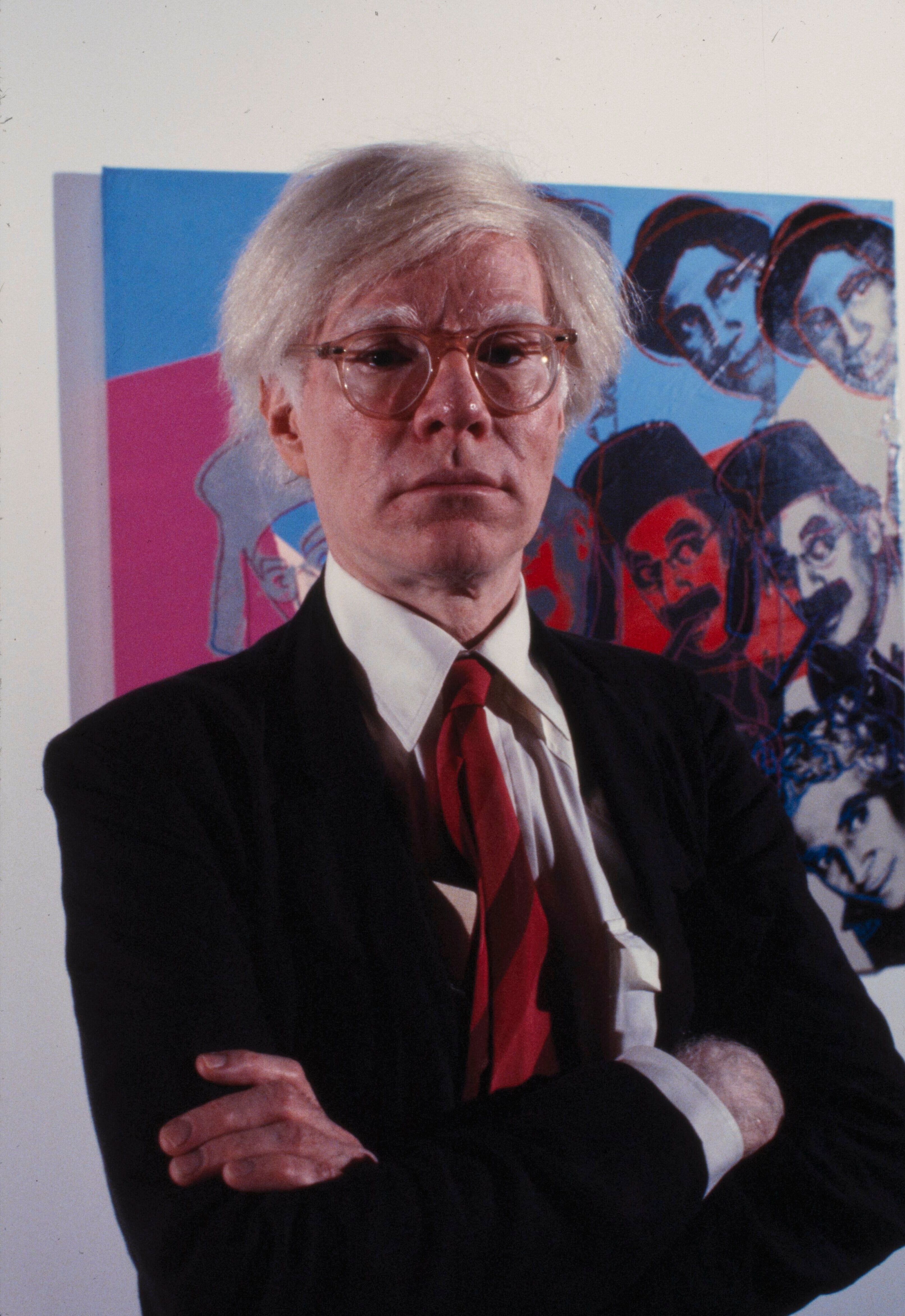
Andy Warhol, an iconic figure of the 20th century, forever transformed the relationship between art and popular culture. His unique and revolutionary approach not only questioned existing norms, but also established a new artistic paradigm that continues to resonate today. What made Warhol so special, and how did he manage to have such a profound impact on the art world?
The Warhol Phenomenon: A New Paradigm in Art
The Pop Art Revolution

Warhol is known for blurring the lines between art and mass-consumption products. His series of works about iconic products, such as Campbell's soup cans, brought pop art to the height of the art scene. This movement challenged the notion of what art “should” be by incorporating elements of everyday culture, making art more accessible to the general public.
Deciding which elements of everyday life to include in his art was a crucial aspect of his creative process. Warhol always focused on products that were both mundane and ubiquitous, allowing his work to resonate widely. However, this approach also presented its challenges. Pop art was often criticized for being superficial or lacking depth, a judgment Warhol faced with his characteristic indifference.
Breaking Barriers Between Art and Popular Culture
Warhol managed to break the traditional barriers between “high art” and popular culture, bringing together these seemingly disparate spheres. Through his provocative works, Warhol questioned cultural hierarchies and celebrated the democratization of art.
This fusion between art and popular culture was not without criticism. Some art purists saw his approach as a threat to artistic integrity. However, Warhol was not seeking approval; his goal was to redefine the meaning of art in an increasingly consumerist society. In this sense, Warhol was not only an artist, but a visionary who anticipated the growing role of the media in contemporary art.
The Life of Andy Warhol: Between Art and Celebrity
From Pittsburgh to the Factory: An Unstoppable Rise
Warhol's journey from Pittsburgh to New York's art scene was a testament to his ambition and talent. In the 1950s, the young artist moved to New York, where he quickly established his presence in the commercial art world. However, it was in the 1960s that Warhol became truly established when he opened his iconic "Factory," a space that served not only as his studio but also as a center for creativity and experimentation.
The "Factory" was the epicenter of New York's artistic and cultural scene. Here, Warhol collaborated with artists, musicians, and filmmakers, creating an environment where ideas were transformed into art. This collaborative approach not only expanded Warhol's creative possibilities, but also catapulted him to fame, making him a central figure of pop culture.
The Duality of Andy: Artist and Public Figure
One of the most intriguing aspects of Warhol was his ability to navigate between his identity as an artist and his public life as a celebrity. Warhol was a master in the art of spectacle, using his public image as an extension of his artistic work. However, this duality also presented personal challenges, as the distinction between the man and the myth became increasingly blurred.
This separation between his personal and public life was a calculated strategy that allowed him to maintain control over his narrative. Warhol knew how to manipulate his image to keep the audience captivated, a trait that continues to be studied by critics and scholars in the context of contemporary art and celebrity culture.
Icons of Art: The Works That Defined an Era
Andy Warhol left an indelible legacy through his works, which captured the essence of his time and redefined contemporary art. His series of Campbell's soup cans and portraits of Marilyn Monroe are emblematic examples that challenge the traditional notion of art, democratizing it and making it accessible to the masses.
The Campbell's soup cans, in particular, reflect Warhol's interest in mass-consumed products and his ability to elevate everyday objects to the category of art. This series not only questioned the limits of art, but also opened a dialogue about consumption and mass production.
On the other hand, his portraits of Marilyn Monroe, produced after the actress's death, explored themes of fame, mortality, and celebrity culture. Warhol used silkscreen techniques to reproduce Monroe's iconic image, highlighting repetition and color saturation as metaphors for media consumption.
Cultural Impact: Warhol's Influence on the Modern World
Andy Warhol's influence on modern art and popular culture is undeniable. His innovative approach and his ability to fuse art with elements of mass culture have left an indelible mark on generations of artists. Warhol paved the way for movements such as pop art and conceptual art, inspiring artists to explore new forms of expression.
In addition, the way Warhol used the media continues to resonate in our digital age, where images and personalities are created and consumed at a dizzying pace. The manipulation of image and fame, aspects that Warhol mastered, have become essential components of social media and contemporary visual culture.
Today, Warhol's legacy can be seen everywhere, from fashion to graphic design, and his vision remains a source of inspiration for those seeking to challenge the status quo. His cultural impact endures, showing that art has the power to reflect and drive social change.
Warhol's Art in the Current Market
21st-Century Auctions: Records and Trends

The art market for Andy Warhol continues to surprise with astronomical figures at auctions around the world. Warhol's works, such as his iconic "Marilyn Monroe" series, have reached prices exceeding $50 million in auction houses like Christie's and Sotheby's. A vital aspect to consider when investing in Warhol art is understanding the difference between an authenticated work and a copy. Certificates of authenticity are essential to avoid falling into the trap of forgeries, a notable issue in pop art. Interest in Warhol's works not only remains but continues to grow, reflecting a trend in which collectors seek pieces that represent cultural milestones of the 20th century.
For those interested in acquiring a Warhol work, it is crucial to be aware of current market trends and previous sales records. Specialized platforms and market reports can be valuable resources for making informed decisions. Consulting trusted sources, such as West London Valet, offers a parallel in the attention to detail and authenticity sought in the art world.
The Value of Authenticity in Reproductions
Authenticity is a determining factor in the value of an Andy Warhol work. With his unmistakable style based on silkscreen printing and mass reproduction, distinguishing between an original work and a faithful reproduction can be a challenge. Authorized reproductions, made by recognized institutions, retain some value, but nothing comparable to that of an original work. For collectors who wish to enjoy a Warhol piece without incurring exorbitant costs, high-quality reproductions can be a viable option. These replicas, although not intended to replace the original, offer a similar and accessible aesthetic experience.
An example of the importance of authenticity was seen in 2023, when an unauthorized copy of "Campbell's Soup Cans" was withdrawn from an auction due to its dubious provenance. This type of incident highlights the need to verify the credentials of any work before acquiring it. In addition, turning to authentication experts and reputable auction houses can prevent costly mistakes for collectors.
Beyond Warhol: The Evolution of Pop Art in the 21st Century
New Techniques: From Silkscreen to Digital
Since Warhol's day, pop art has undergone a significant transformation, adapting to new technologies and digital media. Silkscreen printing, a technique Warhol popularized, has in part been replaced by digital methods that allow for a more versatile and faster expression. Contemporary artists now explore the vast potential of digital tools, creating works that combine elements of mass culture with innovative techniques.
The shift from analog to digital has not only democratized access to artworks, but has also opened up new creative possibilities. A case in point is the artist JR, whose work merges photography and urban art in large-scale installations. For those interested in the future of art , the exhibitions on urban art and new frontiers offer fascinating insights into how Warhol's legacy continues to influence contemporary art.
Contemporary Artists Influenced by Warhol

Warhol's impact can be seen in numerous contemporary artists who reinterpret his style and philosophy. Figures such as Jeff Koons and Takashi Murakami have adopted the use of bright colors and the thematization of popular culture in their works. Koons, for example, is known for his series of sculptures "Balloon Dog," which reflect an approach similar to Warhol's in terms of art accessibility.

On the other hand, Murakami has brought pop art into the Japanese context, integrating elements of manga and anime to create a unique style known as Superflat. Like Warhol, these artists have managed to blend art and commerce, questioning the boundaries between the two. For art enthusiasts who want to explore more about this evolution, the Reina Sofía Museum offers exhibitions that illustrate the innovation and artistic revolution that continues to define pop art in the 21st century.
Warhol in Major Institutions: Museums and Exhibitions
Andy Warhol remains a central figure in the art world, and his work continues to attract the interest of museums and galleries around the world. Exhibitions dedicated to his work are regularly presented at prestigious institutions such as the Museum of Modern Art in New York and Tate Modern in London, allowing visitors to immerse themselves in the bold and colorful visual universe that Warhol created.
These exhibitions not only showcase his most iconic pieces, such as the Marilyn Monroe silkscreens and Campbell's soup cans, but also explore his influence on other artistic disciplines, such as film and music. The recent exhibition at the Whitney Museum of American Art highlighted his role in the evolution of pop culture on a global scale, through a carefully curated collection that reveals a new dimension of his work.
Controversies and Criticism: The Dark Side of the Shine
Despite his success, Warhol's career was not free from controversy. His focus on the commercialization of art and his collaboration with celebrities generated criticism about the authenticity and value of his work. Some critics argue that his art is a superficial celebration of consumer culture, without sufficient conceptual depth.
In addition, Warhol was known for his eccentric lifestyle and his circle of friends, which included controversial figures from the entertainment world. These aspects of his personal life often clouded the perception of his artistic work, generating debates about the role of the artist as a celebrity. Despite these criticisms, his legacy continues to be the subject of study and admiration, evidencing the lasting impact that his work has had on the contemporary cultural landscape.
How KUADROS Revives the Essence of Warhol
In the world of contemporary art, few names resonate as strongly as Andy Warhol. With his visionary approach and his ability to merge art with pop culture, Warhol left an indelible mark on art history. KUADROS, in its effort to keep this essence alive, offers reproductions of his handmade works with a precision that honors the artist's original technique. Warhol, known for his famous studio "The Factory", created a space where art and industry collided in an innovative way, something that KUADROS reflects in every brushstroke of its replicas.
When selecting the works for reproduction, KUADROS follows a decision-making criterion based on cultural and artistic relevance, ensuring that each piece maintains its visual and symbolic impact. This involves a careful evaluation of color palettes, screen-printing techniques, and the themes that Warhol popularized, such as repetition and mass consumption. Avoiding common mistakes in reproductions, such as the loss of crucial details or changes in colors, is essential to provide the customer with an authentic experience.
For collectors and art lovers, having a Warhol replica is a way to personalize their space while maintaining a connection with the legacy of one of the most influential artists of the 20th century. KUADROS is proud to offer paintings personalized that not only replicate Warhol's visual style, but also capture the essence of his artistic vision. This unique experience not only beautifies a space, but also enriches the cultural atmosphere of any environment.
Handmade Reproductions: Maintaining Artistic Integrity
The creation of handmade reproductions is a meticulous process that requires not only technical skill, but also a deep understanding of the artwork's artistic context. At KUADROS, each replica is painted by artists who understand the impact of every brushstroke and the importance of the original texture. This approach ensures that the works are not merely copies, but reflect the spirit of the original, as Warhol conceived it.

An example of the commitment to artistic integrity is the reproduction of his famous series of Campbell's soups. On each can, Warhol challenged perceptions of consumerism and art, and KUADROS ensures that every minute detail, from the typography to the vibrant red color, is faithfully reproduced. By using traditional oil painting techniques, the texture and sheen of Warhol's works are preserved, allowing the reproductions to come to life spectacularly.
However, the challenge lies not only in technique, but in understanding the deeper meaning behind each work. Warhol's art is not only visual; it is a profound commentary on society. KUADROS strives to capture this duality, ensuring that each piece speaks not only to the eye, but also to the intellect.
The Importance of Precision in Details
Precision in details is a key element when recreating Warhol’s works. Every line, every shadow, has a purpose and a reason for being. At KUADROS, we understand that fidelity in the details is what separates a mere copy from a true artistic reproduction. From the distinctive brightness of the colors to the unique brushstroke style, our artists focus on capturing the full essence of each work.
To ensure this precision, original references and analysis techniques are used that allow our artists to study every aspect of the artwork in depth. This ensures that details such as texture, contrast, and tonality are interpreted correctly. In addition, rigorous review processes are applied where multiple critical eyes evaluate the work, ensuring that no crucial element is overlooked.
One of the areas where precision is absolutely necessary is in portrait reproduction, where every stroke can change the expression or feeling of the subject. Attention to minute details is what allows a reproduction to convey the same emotional impact as the original. To learn more about precision in artistic reproduction, visit our analysis of the life of the masters of art.
In the art world, where meaning can be conveyed through the smallest of details, KUADROS remains committed to precision and authenticity, ensuring that each reproduction is a celebration of Warhol’s legacy.
KUADROS ©, a famous painting on your wall. Hand-made oil painting reproductions, with the quality of professional artists and the distinctive seal of KUADROS ©. paintings reproduction service with satisfaction guarantee. If you are not completely satisfied with your painting replica, we will refund 100% of your money.