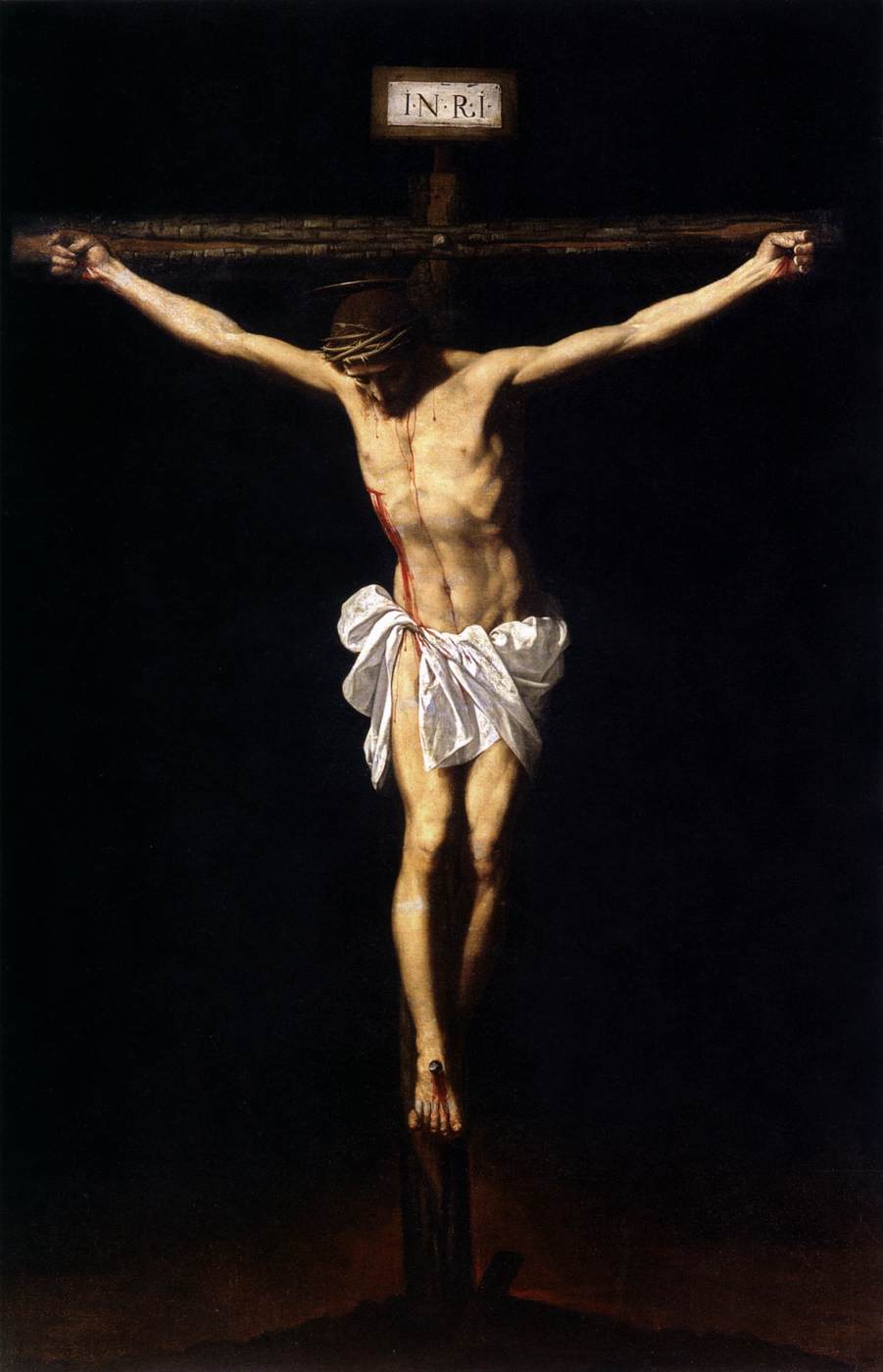
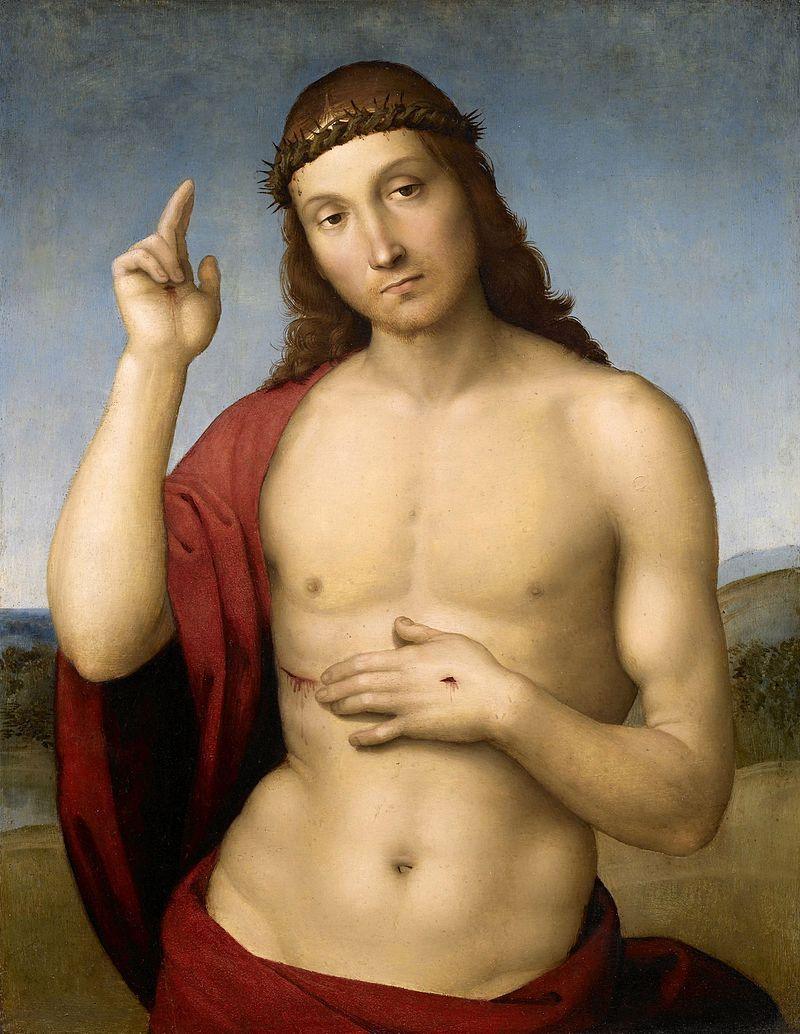
Oil painting reproductions allow you to enjoy the composition, colour and visual language of great works at home without acquiring the original. At KUADROS, these pieces are decorative reproductions hand-painted by professional artists: they are not presented as authentic works, do not have museum authorisation unless expressly stated, and are not offered as investments. They are usually shipped rolled, not framed, so each customer can choose the finish that best suits their space.
The situation is entirely different in the art forgery market. A forgery attempts to pass itself off as an original work by another artist or from another period in order to obtain financial gain. The deception can affect collectors, galleries, auction houses, museums and experts, especially when a convincing execution is combined with seemingly solid provenance.
Understanding these cases helps distinguish between three concepts that are often confused: a decorative copy openly declared as such, a work whose scholarly attribution is under discussion, and a forgery created or marketed with the intent to deceive. The difference is not merely terminological: it affects the work's history, buyer confidence and, in the case of an original work, its financial value.
How an Art Forgery Is Created
The attribution of a painting is not always fixed. A work may initially be considered by a master, later reclassified as from that artist's "school", and eventually catalogued as a copy or a work of uncertain authorship. This evolution does not necessarily imply fraud: it may reflect new documents, more precise stylistic comparisons, changes to the catalogue raisonné or laboratory findings that were not previously available.
It is important to read cataloguing terminology carefully. "By" an artist generally indicates a direct attribution; "attributed to" signals a reasoned but not definitive opinion; "workshop of" refers to a work produced in the master's circle; and "school of" or "manner of" describe a broader stylistic relationship. These categories are not equivalent and, although they may sometimes change with new research, should not be presented as automatic proof of forgery.
In a deliberate forgery, however, the aim is to create an appearance of authenticity. The forger may study an artist's style, composition and technique, imitate craquelure and patina, use old supports or add a signature. They may also create a provenance history through letters, invoices, photographs and catalogue references that appear to support the work's age.
Reusing old materials does not turn a recent painting into a historical work. An old canvas, a reclaimed wood panel or an authentic frame may form part of a deceptive construction if the painting, ground layers, pigments and documentation do not match the attributed period. The support may be old yet still have received a modern image.
Digital technology makes catalogues, photographic archives and databases more accessible, but it also makes it possible to manipulate documents and reproduce images with great precision. For this reason, provenance should be studied alongside technique, materials, the work's history and the opinion of independent specialists. No impressive document or single favourable opinion should replace this combined examination.
Famous Cases and What They Teach Us About Authenticity
Venus, attributed to Lucas Cranach the Elder
In 2015, French police removed a painting titled Venus, attributed to Lucas Cranach the Elder, from an exhibition in Aix-en-Provence. The work, painted in oil on oak and dated 1531, had been acquired by the Prince of Liechtenstein for close to £6 million and held a prominent place in the exhibition of his collection.

An anonymous complaint cast doubt on its authenticity. Investigators subsequently analysed the pigments, materials and provenance documents. The inconsistencies found supported the hypothesis that it was a modern work made in imitation of Cranach's style. The case showed that seemingly convincing provenance cannot replace a complete technical and historical investigation, even when a work has circulated in highly visible settings.

It also reminds us that visual interest in a composition does not depend on presenting it as an original. If you are interested in this image, at KUADROS you can find a artistic reproduction of Venus by Lucas Cranach the Elder hand-painted in oils by professional artists and transparently offered as a decorative reproduction.
Portrait of a Gentleman, attributed to Frans Hals
Portrait of a Gentleman, attributed to Frans Hals, was supplied to Sotheby's by art dealer Mark Weiss and sold for around £8.5 million. Years later, scientific analysis identified modern pigments incompatible with a 17th-century painting, and the work was declared a forgery.

This example illustrates why overall appearance, the reputation of intermediaries or a previous attribution are not enough on their own. A material finding can decisively alter a case when it contradicts the work's chronology. For those who enjoy portraits in the Baroque tradition, KUADROS offers a hand-painted reproduction of Portrait of a Gentleman by Frans Hals, designed for decoration and not presented as the historical original.
Salvator Mundi and the Difference Between Forgery and Attribution

The case of Salvator Mundi, attributed to Leonardo da Vinci, illustrates a different controversy. The work is not considered here as a complete forgery, but as an example of how the degree of involvement by a master and their workshop may be debated. In old works, restorations, losses to the paint layer and workshop collaborations can make it even more difficult to identify an artist's hand.
The painting reached $450 million at a 2017 auction after being presented for years as a lost and recovered Leonardo. However, some specialists have suggested that workshop involvement may have been greater than initially believed. Terms such as "attributed to", "workshop of" or "with the artist's participation" can have important consequences for a work's valuation and interpretation.
The lesson is essential: doubt about authorship does not automatically amount to forgery, but it can radically change a painting's history, price and the confidence placed in it. That is precisely why the language used in a sales listing or catalogue must be specific and understandable.
Why Highly Valued Artists Are Frequent Targets
Works by Old Masters and modern artists in high demand offer a particularly strong financial incentive. When an artist's name can transform a painting's value, the appeal of constructing a convincing attribution grows. In some cases, the styles of certain 20th-century artists may seem easier to imitate than the meticulous draughtsmanship of an Old Master, although convincingly reproducing a technique, material history and documentary record remains complex.
At a Modigliani exhibition in Genoa, experts and authorities concluded that most of the paintings displayed were forgeries. The episode highlighted the risks of exhibiting works with strong commercial appeal without sufficiently documented prior research. The pressure to assemble eye-catching pieces for an exhibition should not lower verification standards.
Collections attributed to 20th-century Russian artists, including Kazimir Malevich and Wassily Kandinsky, have also been questioned due to the absence of references in catalogues raisonnés, credible exhibition histories and scientific analyses. In another case, the Étienne Terrus Museum discovered that a significant part of its collection did not match the artist's known materials and signatures.
These episodes do not mean that every work absent from a catalogue raisonné is a forgery. Archives may be incomplete, and works can reappear after decades in private collections. However, the absence of references calls for more careful research, not a hasty conclusion based solely on visual similarity.
Beltracchi and the Knoedler Fraud
The scandals involving Wolfgang Beltracchi and the Knoedler & Company gallery demonstrated that a broad network of trust does not, by itself, guarantee authenticity. Relationships between dealers, experts, collectors and institutions can facilitate the circulation of a work, but they do not replace independent verification of its materials and documentary history.

In 2010, Beltracchi was arrested after admitting to forging works attributed to 20th-century artists such as Max Ernst and Fernand Léger. The case stood out for the care with which styles, supports and provenance narratives were recreated. Its impact showed that a forger may understand both market conventions and the visible traits of the artists they seek to imitate.
Knoedler, one of New York's oldest galleries, closed after being accused of selling forged Abstract Expressionist paintings for approximately $60 million. Some works had passed through auction houses and been examined by experts; others had even been shown in museums. The judicial investigation considered whether the gallery and its director, Ann Freedman, acted in good faith or were deceived by dealer Glafira Rosales, who attributed the works to a supposed "Mr X".
The case revealed a recurring problem: provenance should not be accepted merely because it appears in a document or because a work has been reviewed by an intermediary. Every link needs context, traceability and independent corroboration. A solid documentary chain should reasonably connect dates, owners, locations and transactions.
What Tests Help Detect a Forgery?
Rigorous authentication combines several disciplines. Specialists may study composition, brushwork, support, pigments, binders, varnishes, restorations and historical documentation. No single test always resolves a case, but converging evidence can reveal anachronistic materials, later interventions or contradictions between what the provenance claims and what the object shows.

The tools used include X-radiography, infrared reflectography, multispectral photography, dating of organic materials and pigment analysis using instrumental techniques. X-radiography can help reveal compositional changes and structures beneath the surface; infrared reflectography may disclose underdrawing or corrections; and laboratory analysis can identify compounds present in a paint layer.
The presence of a synthetic pigment that did not exist in the attributed period, contemporary fibres or an industrial varnish may be a decisive sign. Even so, the results require interpretation: an old work may have been restored with later materials. The question is where those materials appear, what function they serve, and whether they belong to an identifiable restoration or to the original execution.
In a painting attributed to Parmigianino and auctioned by Sotheby's in 2012, subsequent tests detected phthalocyanine, a modern synthetic green pigment, in different areas of the work. The evidence led to the sale being cancelled and legal action being taken against the seller. The case demonstrates the value of combining visual study with specific scientific data.
Provenance, Anonymity and Responsibility
As far as possible, complete provenance should document a work's journey from its creation to its current owner. In practice, there are gaps, periods without information, unidentified intermediaries and owners who prefer to remain anonymous for legitimate reasons. That discretion, however, can make due diligence more difficult, especially when a gap coincides with pivotal moments in the work's history.

A documentary gap does not in itself prove fraud, but it deserves clear questions: who owned the work, when, where it was kept, and which documents support each transfer. The answer should be assessed alongside the physical condition of the painting and the information available in archives, exhibitions and specialist publications.
Documents can also be forged: old letters, catalogues, manipulated photographs and fabricated invoices can create an appearance of continuity. For this reason, a significant purchase should include written contracts, clear information about the seller, return terms and access to technical reports where appropriate. It is also prudent to keep complete versions of documents, not merely commercial summaries.
Experts and artists' foundations also face considerable legal risk. A positive opinion that is later challenged can lead to losses and litigation, while a negative opinion can seriously affect a work's value. The decline of authentication committees and the caution of some specialists increase uncertainty across the market.
A Basic Guide to Buying Art More Safely
Before acquiring a high-value work, it is wise to turn caution into a verifiable process rather than deciding solely on urgency, the seller's reputation or the appeal of a signature. These measures do not eliminate all risk, but they help identify questions that deserve answers before you buy.

- Request documented provenance and review any unexplained periods.
- Check whether the work appears in catalogues raisonnés, specialist archives or exhibition records.
- Consult independent experts rather than relying solely on the seller or a single opinion.
- Ask which scientific analyses have been carried out, who performed them and whether the report distinguishes between the original painting and later restorations.
- Read the contract, authenticity guarantee, return terms and the parties' identities carefully.
- Keep invoices, reports, photographs and all documentation related to the acquisition.
These precautions are especially important when dealing with an original work, a high-value attribution or a potential investment. In the case of a decorative reproduction, transparency should be equally clear: the buyer must know they are acquiring a hand-painted interpretation, not the original historical piece. An honest description protects the buyer and makes it possible to value the work for its aesthetic, technical and decorative qualities.
The Future of Art Authentication
The idea of a perfect forgery is appealing in theory, but contemporary works leave microscopic traces: fibres, contaminants, varnishes, environmental particles and materials that did not exist in the attributed period. Science seeks to identify precisely these unintended signs, which may go unnoticed in a conventional visual inspection.
Radiocarbon dating, mass spectrometry and hyperspectral imaging can reveal overpainting, hidden restorations and incompatible materials. Even so, technology does not replace historical and stylistic analysis. A laboratory result is more meaningful when integrated with documented chronology, comparison with accepted works and knowledge of the practices of the artist, their workshop and their period.
The future of authentication will depend on combining laboratory data, verifiable documentation and independent expert opinions. This collaboration reduces reliance on a single authority and encourages more transparent decisions, although uncertainty will remain part of many historical attributions.
At KUADROS, the distinction remains explicit: our works are oil reproductions hand-painted by professional artists for decoration and personal enjoyment. They are not presented as originals, do not promise investment value, and are usually shipped rolled, not framed.
For practical questions about orders, delivery times, shipping and our service, see the KUADROS frequently asked questions.