






Description
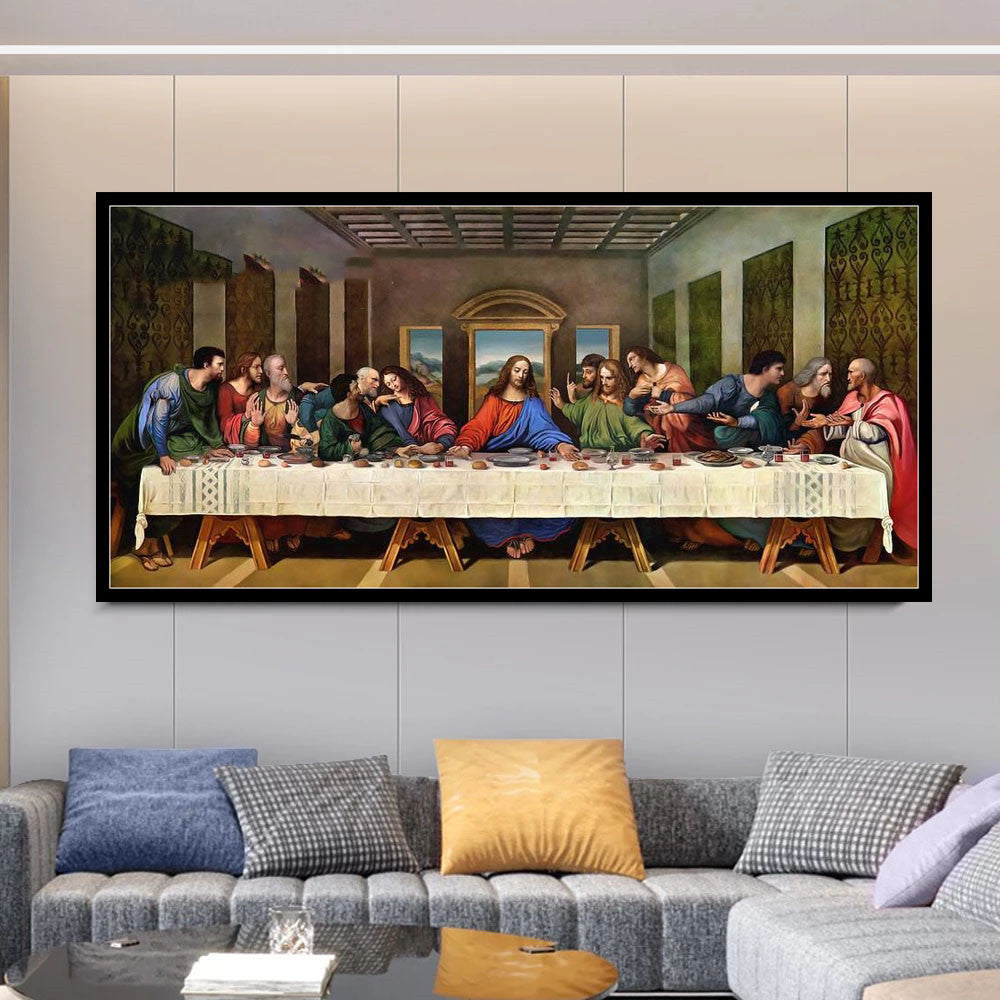
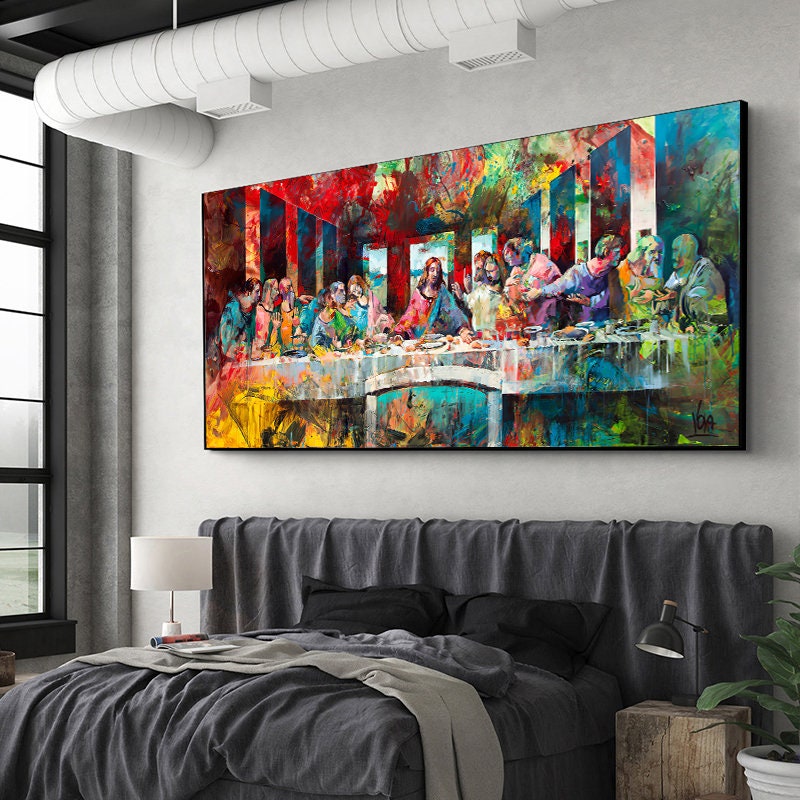
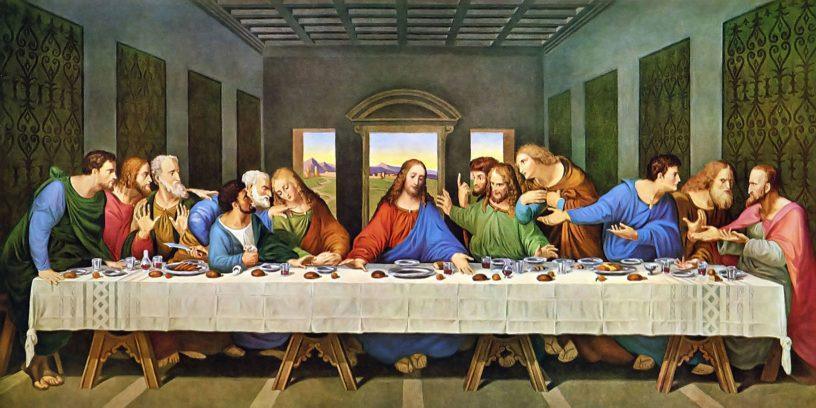
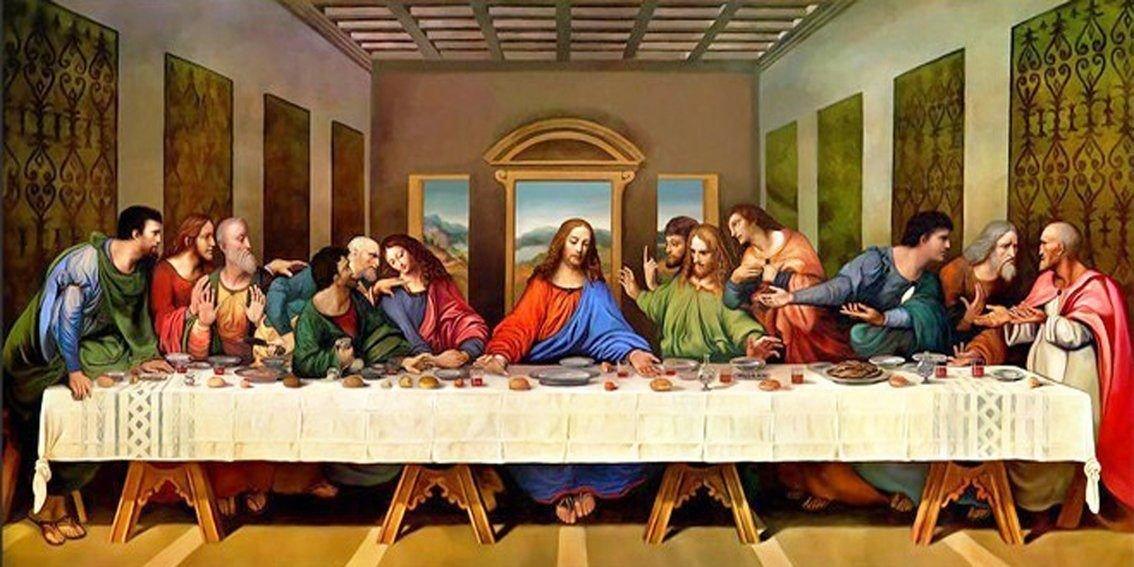
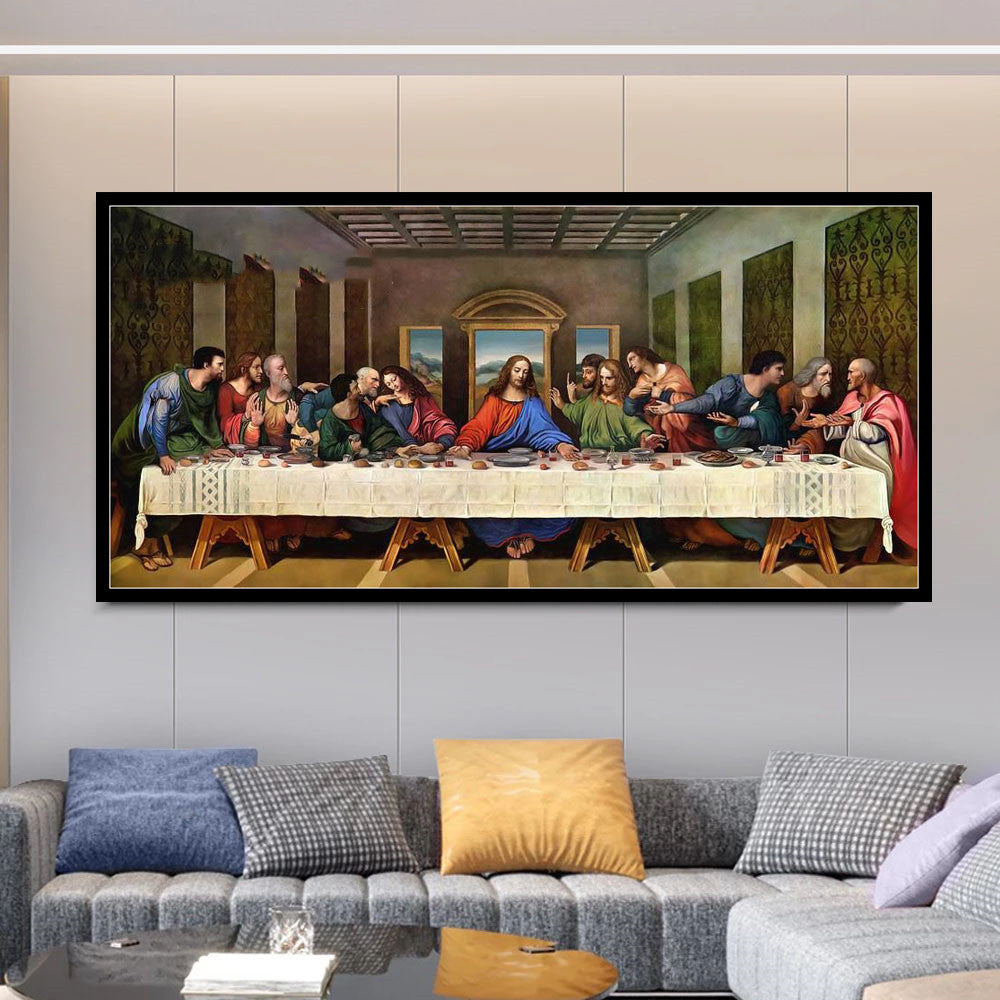
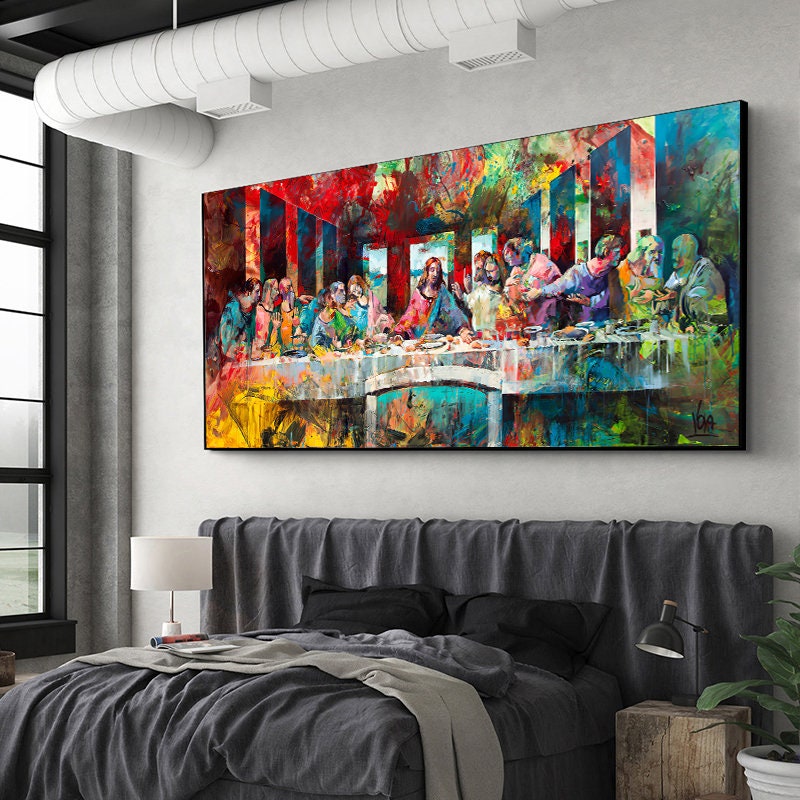
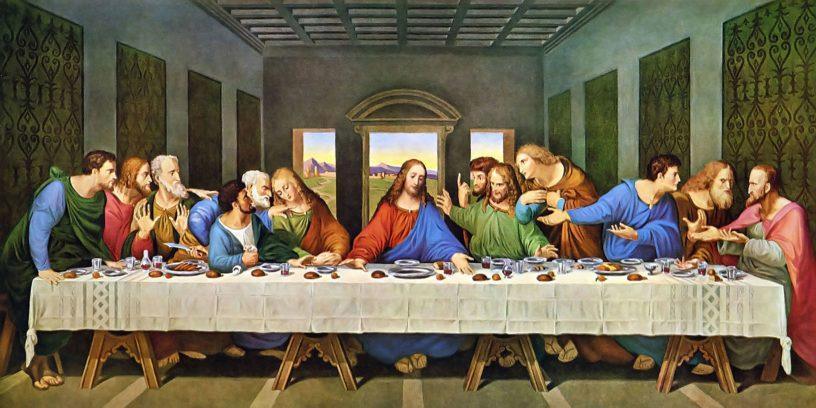
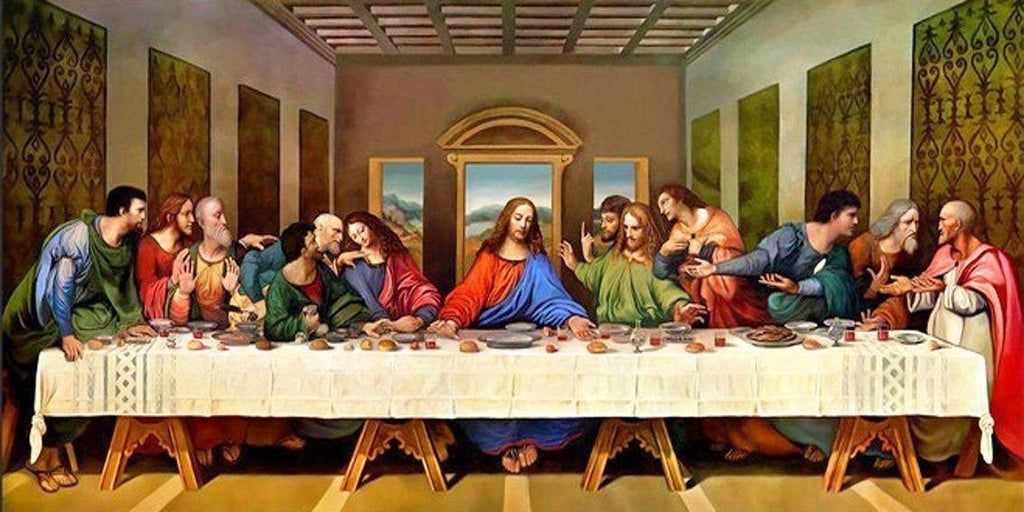
The Last Supper is without doubt the most famous painting of Jesus Christ.
The scene recreates the Passover meal shared by Jesus and his apostles, drawn from the account in the Gospel of John, chapter 13. Leonardo da Vinci imagined, and succeeded in expressing, the desire that has taken hold of the apostles' minds to know who is betraying their Master.
The work was painted in the late fifteenth century as a mural on the walls of the refectory of the Convent of Santa Maria delle Grazie in Milan.
Fresco paintings are generally created by applying pigment onto intonaco, a thin layer of wet lime plaster. This is normally the best technique to use, since it allows the fresco to cope with the natural breathing or sweating a wall undergoes as moisture moves towards the surface.
However, for The Last Supper da Vinci chose to use oil paint, since this material dries far more slowly and would let him work on the image in a much slower, more detailed way.
Leonardo knew that the natural moisture that penetrates through most stone-walled buildings would have to be sealed off if he used oil paints, or it would ruin his work.
The artist added a double layer of plaster, putty and pitch to combat deterioration.
Even so, the artwork has had to be restored many times over its long history. Very little remains of the original top layer of oil paint as a result of environmental and deliberate damage.
An interesting feature of The Last Supper is the way the artist uses perspective and lighting to create depth and realism in the scene. The painting presents a view of the table from a vantage point where the viewer seems to be seated at the table, in Jesus's place. This technique of perspective, known as central perspective, was innovative for its time and has been widely studied and admired for its dramatic effect in the painting.
In addition, the painting's lighting is remarkable. Leonardo used a technique called "chiaroscuro", the application of strong contrasts of light and shadow to create a three-dimensional effect in the scene. The light entering from the window behind Jesus illuminates the figures in a way that highlights their facial features and gestures, contributing to the dramatic intensity of the scene.
Another interesting detail is the depiction of the figures' hands. Leonardo da Vinci was deeply interested in the anatomy and physiology of the human body, and this is reflected in his meticulous attention to the depiction of hands in the painting. Each figure has a different position and gesture at the table, resulting in a variety of expressions and attitudes conveyed through the hands.
The Last Supper is a masterpiece by Leonardo da Vinci that combines the technique of central perspective, chiaroscuro and attention to anatomical detail to create a dramatic and moving scene of Jesus's last supper with his disciples.
The Last Supper ranks no. 33 on the list of famous paintings