I am Lisa Marino, a dedicated home and office decorator, and I am excited to embark on a journey through the wonderful realm of interior design. I am delighted to share with KUADROS my knowledge about the art of decorating with paintings, a process that can breathe new life into any space. So, if you are thinking about decorating your home or office with paintings, let’s dive into my step-by-step guide.
Step 1: Crafting a Vision
Every decorating project begins with a vision. When I enter a new space, my first task is to assess its atmosphere, design, and the unique personality of the client. Understanding their style and preferences is crucial, as it lays the foundation for the entire project. I often find myself imagining what it would be like to be in their place, envisioning the emotions and experiences they want to create in their space.

The vision is the North Star that guides every choice and decision throughout the design process. When I enter a new space, I am like a detective seeking to uncover the essence of the room's potential. The process begins with the initial site study.
Initial Assessment
The moment I step into a new space, I let my senses absorb the environment. I take note of the architectural elements, natural lighting, and the layout of the room. Every corner offers clues on how to optimize the space.
Collaboration with the Client
Crafting a vision is not a solitary effort; it is a collaborative process with my clients. I engage in meaningful conversations with them, asking questions about their lifestyle, preferences, and aspirations for the space. Their input is invaluable, as it helps me align my vision with their desires.
Mood and Emotion
One of the most powerful tools in my design toolbox is emotion. I ask myself: "How do I want this room to feel?" Emotions are the threads that weave a compelling narrative in design. For a cozy living room, it might be warmth and comfort. In a workspace, it could be focus and productivity.

Inspiration Boards
To solidify the vision, I often create inspiration boards or mood boards. These visual collages include images, color samples, and even fabric swatches that capture the essence of the desired atmosphere. These boards become a reference point throughout the project, ensuring that every decision aligns with the initial vision.
Telling Stories
Spaces have stories to tell, and I see myself as a storyteller. I envision the life that will unfold in the room: friends gathering in a cozy dining room, productive work hours in an organized office, or relaxation and serenity in a well-designed bedroom. The vision becomes the script for this narrative.
Adaptability
While the vision sets the course, it is essential to remain adaptable. Sometimes, unexpected discoveries or unique opportunities arise during the design process. A truly expert decorator knows when to pivot while staying true to the central vision.
Long-term sustainability
A critical component of the vision is to consider its sustainability. Will the design stand the test of time, or is it a passing trend? Crafting a vision with longevity in mind ensures that the space remains relevant and timeless.
Visualization tools
Technology has opened exciting avenues for visualization. I often use 3D modeling software or virtual reality tools to help clients "walk through" the space before making any physical changes. This step allows them to truly grasp the potential of the design and make informed decisions.
Evolution of the vision
As the project progresses, the vision may evolve. This evolution is not a deviation but a refinement. It is about perfecting the initial concept to better align with the realities of the space and the needs of the occupants.
Celebrating milestones
Reaching milestones along the way is crucial for maintaining enthusiasm and motivation. Whether selecting a unique piece of furniture or finalizing a color combination, these moments bring the vision to life and generate anticipation for the final reveal.
In essence, crafting a vision is the foundation upon which the entire design process is built. It is a dynamic and ever-evolving process that combines creativity, empathy, and practicality. As a decorator, my greatest joy is seeing how the initial vision comes to life, transforming a space into a place that reflects not only the design but also the soul and character of its inhabitants.
Step 2: The connection of canvas wall art
One of my most treasured tools for creating stunning interiors is canvas wall art. This versatile medium offers a wide range of possibilities and allows for infinite creativity. Canvas wall art is a remarkable medium that serves as a bridge between imagination and reality in the world of interior design. Its versatility and ability to convey emotions and stories make it every decorator's dream. Whether you are drawn to landscapes, abstracts, or contemporary pieces, canvas wall art can transform any room.

A multifaceted canvas
Canvas wall art is like a blank canvas waiting for the touch of an artist. The possibilities are limitless, ranging from paintings to traditional oils to contemporary digital prints. This wide range allows me to find the perfect pieces that resonate with the design concept of a room and the unique tastes of the client.
Expressive emotions
Art, in any form, has the power to evoke emotions and create connections. Canvas wall art is no exception. It allows me to infuse a room with the desired atmosphere, whether it be serenity, vitality, or nostalgia. The choice of artwork becomes a means of emotional expression.

Anchor focal points
Every well-designed space benefits from a focal point that captures attention and draws people into the room. Canvas wall art serves as a captivating anchor, dominating the viewer's gaze and setting the tone for the entire space. Whether it's a large, dramatic piece in the living room or a smaller, intimate one in the bedroom, canvas art excels in this function.
Adaptable themes
Canvas wall art covers a wide spectrum of themes and styles. I can seamlessly integrate it into any design, whether it's a coastal beach theme, a minimalist urban vibe, or a classic vintage style. The adaptability of canvas art makes it an essential tool for achieving design harmony.
Customization possibilities
Many artists and print studios offer customization options for canvas wall art. This means I can work closely with clients to create custom pieces that align precisely with their vision. From personalized family portraits to custom typographic art, the possibilities are as unique as the individuals I collaborate with.
Textural diversity
Canvas art is not just about visual appeal; it's also about texture. The tactile experience of canvas adds depth and character to a room. I often explore the textural qualities of canvas, especially in abstract pieces or mixed media techniques, to introduce an engaging sensory dimension.

Scale and impact
The scale of canvas wall art can dramatically affect the overall design. Large-scale paintings creates a bold and dramatic statement, while a series of smaller pieces can infuse a sense of cohesion and rhythm. The choice of scale depends on the size of the room, the purpose, and the design concept.
Curating and storytelling
The process of selecting and curating paintings murals is similar to storytelling. Each piece contributes to the narrative of the room. I consider the relationships between different artworks, ensuring they harmonize, contrast, or complement each other to create a cohesive visual story.
Timeless elegance
Canvas art possesses a lasting quality that transcends trends. I often choose paintings that exhibit timeless elegance, ensuring they remain relevant and appreciated in the years to come. This sustainability is key to creating a design that withstands the test of time.
A personal connection
Finally, the connection between mural art on canvas and the individual is profoundly personal. The choice of artwork often reflects the personality, interests, and experiences of the client. The emotional resonance of canvas art can make a space feel exclusively theirs, creating a deep and lasting connection.

In essence, the connection of canvas with wall art is the heart and soul of my decorating process. It is the brushstroke that adds depth, emotion, and character to every room I design. The synergy between canvas art and design is a testament to the transformative power of visual storytelling.
Step 3: The magic of the color palette
Color is the heartbeat of any space. When selecting paintings on canvas, it is essential to consider the color palette. Color is the silent language of interior design and plays a crucial role in the atmosphere and character of a space. Choosing a color palette is akin to casting a spell, magically transforming a room into a canvas of emotions, moods, and experiences. My goal is to find artworks that perfectly integrate or complement the existing colors of the room. The beauty of canvas art is that it offers a range of colors and styles to match any decor.

These are the important aspects to consider when choosing color:
Setting the mood
Color has an unparalleled ability to create the ambiance and atmosphere of a room. It’s like choosing the soundtrack for a movie: each color evokes a distinct emotional response. For example, cool blues and greens induce calm, while vibrant reds and yellows exude energy and excitement.
Harmonizing with existing elements
In every space, there are elements that contribute to the color palette: the floor, furniture, architectural features, and even natural light. The magic lies in selecting colors that harmonize with these elements, creating a cohesive and visually pleasing environment.
Creating visual interest
A well-balanced color palette can transform a room from mundane to captivating. By playing with contrasting or complementary colors, I add layers of visual interest. A touch of unexpected color in a predominantly neutral room can be like a spark of magic, drawing attention and bringing the space to life.
Reflecting personal style
The colors chosen for a space should reflect the personal style and preferences of its inhabitants. The magic of color lies in its ability to be deeply personal, allowing homeowners to infuse their unique identities and tastes into their spaces.

Enhancing functionality
Color is not just about aesthetics; it can also enhance functionality. For example, in a home office, calming blues and greens can promote concentration, while warm tones like oranges and browns can create a cozy atmosphere in a living room. The right color palette enhances the way a space is used.
Creating flow
In larger spaces or open floor plans, color serves as a thread that ties rooms together, creating a sense of flow and continuity. The magic of a well-planned color palette ensures that each area transitions smoothly to the next, creating a harmonious whole.
A play of lights
The interaction between color and light is a magical phenomenon. Natural and artificial light sources can alter the perception of color, making it appear differently at different times of the day. I consider the play of light in a room to ensure that the chosen colors shine at their best.
Evoking the beauty of nature
Often, the natural world serves as a timeless source of inspiration for color palettes. From the soothing blues of the sky to the rich earthy tones of the forests, nature's hues bring a touch of magic to interiors, connecting occupants with the world beyond their walls.
Adapted to purpose
The choice of colors should align with the purpose of the space. For example, a bedroom may benefit from calming and relaxing colors, while a dining room could be enlivened with vibrant and stimulating tones. The magic of color lies in its adaptability to the unique requirements of each room.
Timeless or modern
Deciding between timeless and modern color palettes is a balancing act. I often incorporate timeless neutrals as a base and add trendy colors as accents. This way, one can enjoy the magic of color without fear of it becoming outdated quickly.
In essence, the magic of a well-crafted color palette is its ability to transform a room from a blank canvas into a vibrant tapestry of emotions and experiences. It is a journey of discovery, a dance of harmony, and a powerful tool that brings life to the spaces we create. The right color palette is like a magic wand that casts a spell making each room feel truly enchanting.
Step 4: Choosing the perfect theme
The theme of a canvas artwork can convey a powerful narrative. For a serene bedroom, a calming landscape may be ideal. In a vibrant office, an abstract composition can infuse energy. Canvas wall art adapts to various themes and moods, allowing me to choose pieces that resonate with the purpose of the room.
Selecting the perfect theme for wall art is similar to selecting the protagonist of a story: it sets the stage, evokes emotions, and forms the core of the design narrative. In the world of interior decoration, the theme of wall art is the muse that guides the direction of the design, enriching the overall ambiance of a space.
Theme consistency
One of the first considerations when choosing a theme is to ensure that it aligns with the overall theme or style of the room. For example, in a coastal-themed living room, the artworks with seascapes, shells, or beach scenes fit perfectly. This coherence creates a harmonious and cohesive atmosphere.
Emotional Resonance
The theme of wall art can evoke powerful emotions. It is essential to select pieces that resonate with the emotional atmosphere intended for the room. A serene landscape can promote relaxation, while vibrant abstract art can infuse energy and creativity into a space.
Personal Connection
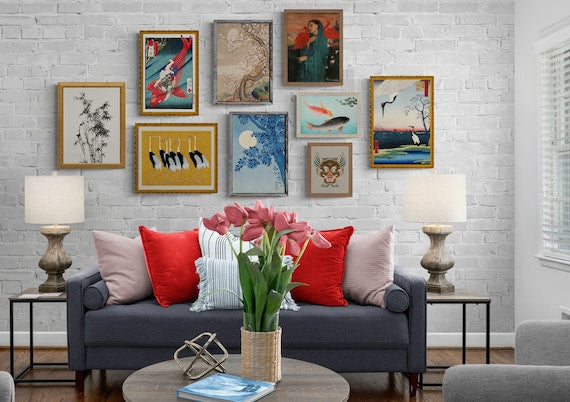
For homeowners, the theme of wall art often carries a personal connection or meaning. It can reflect their hobbies, interests, or experiences. When a piece of art has personal significance, it becomes a conversation starter and a source of joy every time it is admired.
Telling Stories
Art has an innate ability to tell stories. Whether it is a narrative captured in a figurative painting or an abstract piece that invites interpretation, the theme adds depth and narrative to the room. It encourages viewers to engage with the space on a deeper level.
Balance and Scale
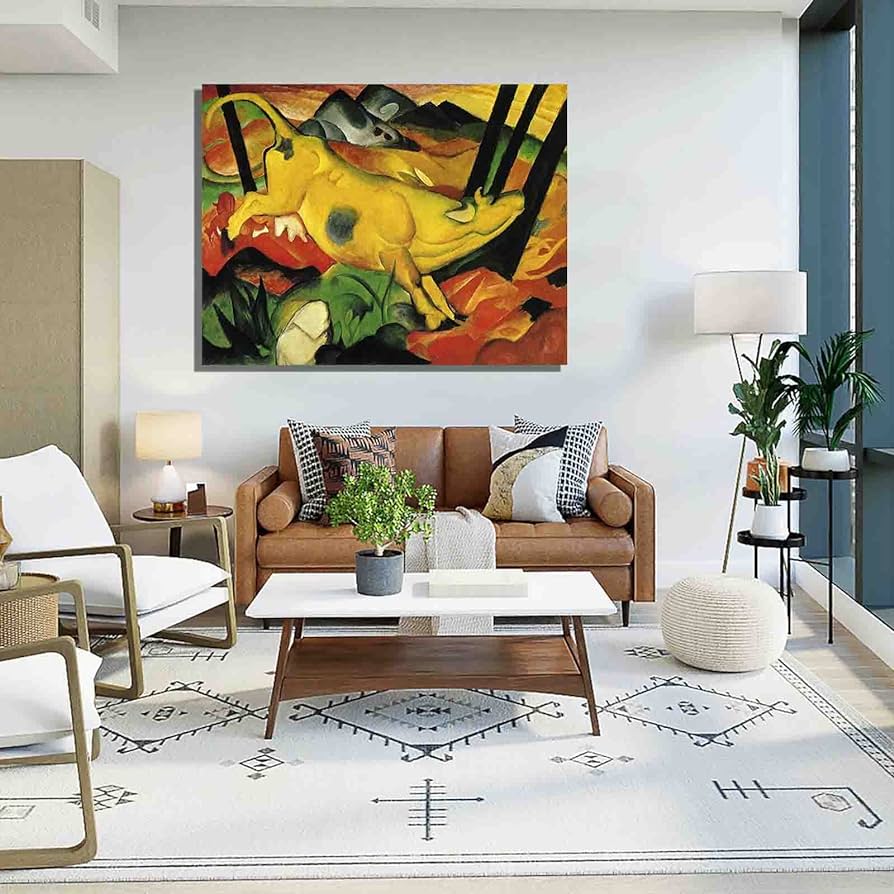
The scale and balance of the chosen theme should be considered. In a spacious room, a large piece can serve as a striking focal point, while in smaller spaces, smaller or grouped artworks may be more appropriate. Achieving the right balance ensures that the artwork complements the space rather than overwhelming it.
Cultural and Historical Significance
Art often reflects cultural and historical elements. Incorporating themes that have cultural or historical significance can enrich the narrative of the room. For example, a room inspired by a specific historical era may feature artworks that reflect the art of that period.
Multifunctional Art
Some themes serve multiple functions. For example, a mirror or a reflected piece of art not only adds visual interest but also creates a sense of spaciousness by reflecting light and the surrounding environment. Choosing a multifunctional theme can be a smart design choice.
Artistic Mediums
Different themes lend themselves to various artistic mediums. For example, detailed botanical illustrations may be more suitable for watercolors or botanical prints, while modern and abstract concepts may thrive in acrylic or mixed media art. The theme often influences the choice of medium.
Seasonal and Temporary Options
In some cases, the theme may change seasonally or temporarily. This approach allows homeowners to refresh their space to adapt to seasonal changes or special occasions. It is a fun way to experiment with different themes and moods throughout the year.
Artistic Interpretation
The beauty of the theme lies in its interpretation. Artists often bring their unique perspectives and styles to a theme, adding layers of complexity and depth. The theme, viewed through the lens of different artists, can create diverse design possibilities.
In summary, choosing the perfect theme for mural art is a nuanced form of art within interior decoration. It reflects the purpose of the room, the personality of the owner, and the desired emotional atmosphere. The theme is the essence of the design narrative, and its careful selection enriches the space, turning it into a canvas that tells a story, evokes emotions, and generates conversation.
Step 5: Playing with Artistic Mediums
Mural art on canvas comes in various artistic mediums, from the rich textures of paintings oil to the soft elegance of watercolors. Selecting the right medium can enhance the impact of the artwork and create a tactile experience that improves the room's ambiance.
The choice of artistic medium is a fundamental aspect when selecting and displaying mural art. Just like a director selects the right actors for a movie, choosing the right artistic medium enhances the visual impact and emotional resonance of the artwork. Let's explore the fascinating world of artistic mediums and how they bring interior spaces to life.
paintings Oil
paintings oil paintings are famous for their rich colors, depth, and texture. They are created using pigments suspended in oil, usually linseed oil. The slow drying time of oils allows for complex details and layers, making them ideal for realistic or traditional styles. The depth and luminosity of paintings oil paintings add an aura of sophistication to any room.
paintings Acrylics
paintings acrylics are known for their versatility and vibrant colors. They dry quickly and can be used to create both bold and subtle textures. Acrylics are favored for contemporary and abstract art due to their adaptability and ability to capture dynamic brushstrokes. Their fast drying time makes them ideal for those who prefer to rotate their mural art regularly.

paintings Watercolor
Watercolors offer a delicate and translucent quality that creates an ethereal and airy atmosphere. They are made by mixing pigments with water and are often associated with soft and relaxing palettes. artworks in watercolor is a popular choice for bedrooms, bathrooms, and spaces where tranquility is a priority.
Mixed Media Art
Mixed media art combines various mediums and materials, such as acrylics, watercolors, ink, collage, and texture pastes. This eclectic approach adds depth and complexity to the artwork. Mixed media pieces are often visually striking and can be a focal point of conversation in a room.
Prints and Reproductions
Prints and reproductions offer an affordable way to enjoy artworks of renown. They can be produced using various techniques, including digital printing, giclée printing, or screen printing. High-quality prints and reproductions capture the essence of the original artworks and are suitable for a wide range of interior styles.
Photography
Photography as wall art captures moments frozen in time. From stunning landscapes to evocative portraits, photography can add a personal touch to a space. The choice of photography style, whether black and white, color, or sepia, can influence the overall mood of the room.
Sculptural Art
While not a traditional painting medium, sculptural art can be displayed on walls to create a three-dimensional focal point. Sculptures, relief art, and even wall-mounted art objects can add depth and intrigue to a room's design.
Digital Art
In the digital age, digital art has gained prominence. Digital pieces can be displayed on screens, paintings or as prints. The flexibility of digital art allows for a constantly changing display, with the ability to easily rotate the artworks to suit different seasons or moods.
Textile Art
Textile art uses fabrics and fibers as a medium. It includes tapestries, quilts, weavings, and textile collages. Textile art adds warmth and tactile appeal to a space and is particularly suitable for bohemian, eclectic, or cozy decor styles.
Metal and Wood Art
Metal and wood can be used to create stunning wall sculptures or relief art. These mediums add an industrial or rustic charm to a space and are perfect for modern, industrial, or farmhouse-themed interiors.
Each artistic medium has its unique attributes and personality, making the selection of wall art an exciting and expressive task. The choice of medium should resonate with the overall design concept of the room, the owner's preferences, and the desired emotional impact. It is the stroke master that transforms the canvas of a room into a work of art, creating an atmosphere that speaks to the soul and stimulates the senses.
Step 6: Framing Elegance
The choice of frame for canvas wall art is a crucial consideration. A well-selected frame can enhance the beauty of the artwork while harmonizing with the overall decor. With canvas art, there is flexibility to explore different framing options, from ornate to minimalist.
The choice of frame for wall art is like selecting the perfect frame for a precious photograph: it enhances and elevates the artwork, complementing the overall aesthetic of the room. Framing is not just a functional aspect; it is an art in itself that can significantly impact the visual appeal of the artwork and the room as a whole. Let’s explore the world of frames and how they add a touch of elegance to wall art.
Ornate Frames
Ornate frames are often associated with classic and traditional aesthetics. They feature intricate details, gilded elements, and decorative motifs. Ornate frames can add a sense of opulence and grandeur to a room, making them an ideal choice for formal spaces like dining rooms or elegant living rooms.
Minimalist Frames
Minimalist frames are characterized by their simplicity and clean lines. They are discreet and allow the artwork to take center stage. Minimalist frames are very suitable for contemporary and modern interior designs, where the focus is on an elegant and tidy aesthetic.

Floating Frames
Floating frames create the illusion that the artwork is suspended within the frame, leaving a space between the artwork and the edge of the frame. This style is particularly popular for paintings, as it creates a sense of depth and dimension. Floating frames are versatile and can work well with various interior styles.
Mat
The mat is often used alongside the frame to create space between the artwork and the front glass or acrylic. Mats can enhance the visual impact of the artwork, draw attention to specific details, and provide a clean, finished appearance. The choice of color and thickness of the mat can dramatically influence the overall effect.
Shadow Boxes
Shadow paintings are deep frames that allow for the display of three-dimensional objects or art with significant relief. They are an excellent option for showcasing sculptural art or mixed media techniques. Shadow paintings add depth and intrigue to a room, making the artwork a focal point of conversation.
Gallery Frames
Gallery frames are sleek and contemporary frames commonly used in art galleries and museums. They are characterized by their thin profiles and come in various finishes, such as black, white, or metallic. Gallery frames create a modern and sophisticated look that works well in gallery-style wall arrangements.
Antique Frames
Antique frames are true treasures and often feature intricate craftsmanship and a weathered charm. These frames can add a sense of history and character to a room. When combined with antique or vintage-style art, they create a nostalgic and eclectic atmosphere.
Custom Frames
Custom framing offers limitless possibilities. It allows for the creation of frames that perfectly match the dimensions and style of the artwork and the room. Custom frames are an excellent option for artworks unique or irregularly sized pieces and are often used to create eye-catching displays.
Frameless Options
Some artworks, especially contemporary canvas pieces, are designed to be frameless. This minimalist approach can create a sleek and unobtrusive appearance that allows the artwork to blend seamlessly with the wall.
Complementary Options
The choice of frame should complement the overall design of the room. It can harmonize with the color palette, style, and furniture, ensuring that the framed artwork becomes an integral part of the space's aesthetics.
Framing is more than just a simple means to protect and display artworks; it is a design decision that adds an extra layer of sophistication and elegance to a room. The right choice of frame can make a piece of art look complete, transforming it from a simple decoration into a statement of style and refinement.
Step 7: Organizing the Impact
Arranging paintings on canvas is an art form in itself. I love experimenting with various designs: symmetrical grids, creative groupings, or a single captivating focal piece. The goal is to achieve a balance that draws attention without overwhelming the senses.
Organizing wall art is like choreographing a dance: the location, balance, and composition of the artworks within a room can dramatically impact the overall visual appeal and emotional resonance of the space. The right arrangement not only highlights each piece but also creates a harmonious and inviting atmosphere. Let's explore the art of organizing wall art for maximum impact.
Symmetrical Designs
Symmetrical arrangements are classic and timeless. They involve placing identical or mirrored artworks on either side of a central point, creating a sense of balance and formality. Symmetry works well in traditional and formal spaces, such as dining rooms or entryways.

Asymmetrical Designs
Asymmetrical arrangements are more dynamic and free-spirited. They involve a balance of artworks of different sizes and often appear more relaxed and informal. Asymmetry adds visual interest and energy to a room, making it suitable for contemporary or eclectic interiors.
Gallery Walls
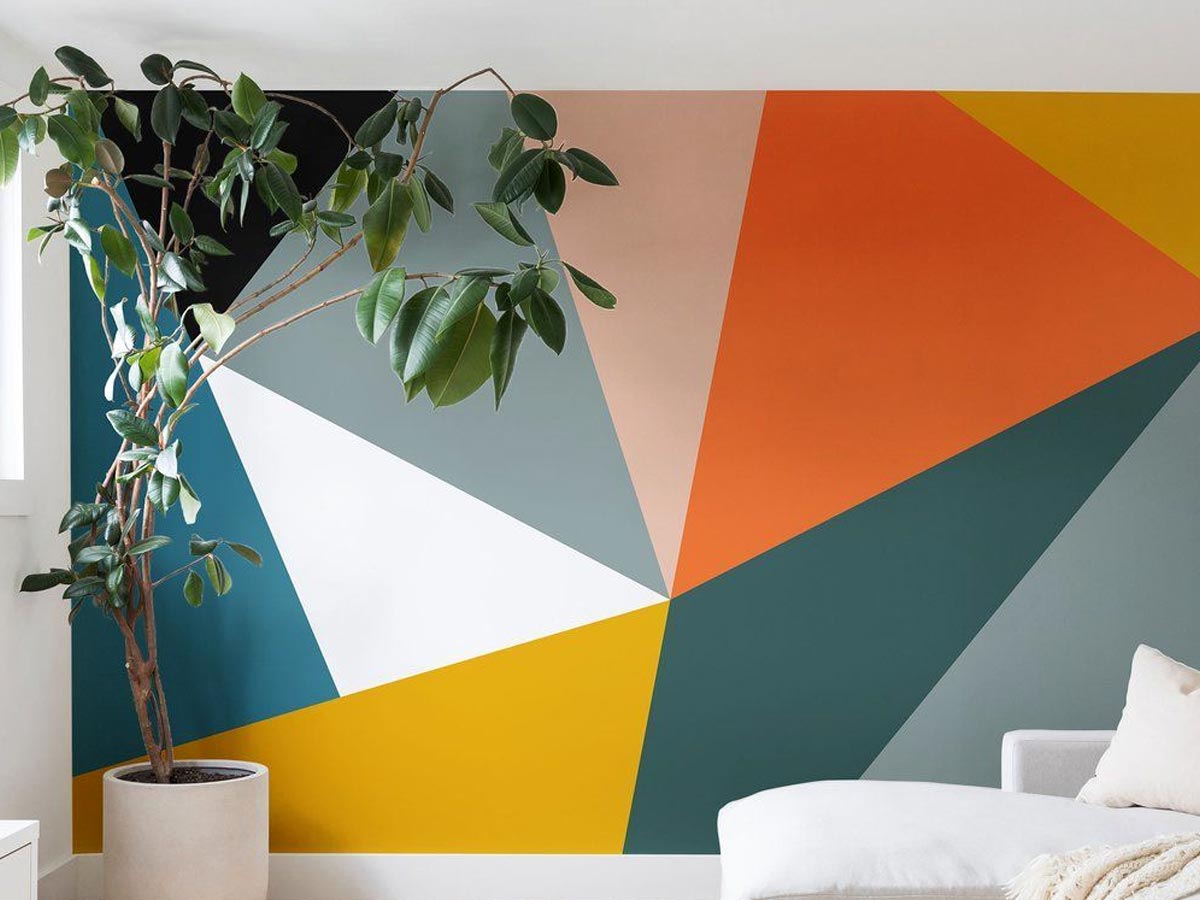
Gallery walls are a popular option for displaying multiple artworks in a cohesive arrangement. They can be symmetrical or asymmetrical and allow for a curated art collection. Gallery walls are versatile and work in various rooms, from living rooms to hallways.
Salon Style Arrangements
Salon style arrangements involve densely grouping a mix of artworks in an intentionally chaotic yet visually pleasing manner. This style recalls 18th-century French salons and creates a sense of intimacy and richness. It is often used in living rooms and eclectic spaces.
Linear and Grid Designs
Linear and grid designs involve organizing illustrations in straight lines or grids. These arrangements create a sense of order and structure, making them suitable for contemporary and minimalist interiors. Linear designs work well in hallways or staircases, while grid designs are perfect for showcasing a collection of artworks.

Location of the focal point
Placing a larger or distinctive piece as a focal point can draw attention and anchor the room's design. The central artwork should be strategically located, such as above a fireplace mantel or a striking piece of furniture.
Eye-level placement
A common rule of thumb for hanging artworks is to place them at eye level, ensuring they are easily visible and attract the viewer. For most people, this means hanging the center of the artwork approximately between 57 and 60 inches from the floor.
Horizontal versus vertical orientation
The orientation of the artwork can affect the visual flow of the room. Horizontal artworks often convey a sense of calm and stability, while vertical pieces can add height and a sense of grandeur. The choice depends on the proportions of the room and the desired atmosphere.
Spacing and consistency
Consistent spacing between artworks is crucial for maintaining a polished and deliberate appearance. Properly spaced pieces avoid a feeling of clutter or chaos. This spacing should be consistent throughout the arrangement.
Grouping by theme or color
Grouping artworks by theme or color can create a unified and cohesive layout. For example, a collection of botanical prints or artworks can be grouped with a similar color palette, reinforcing the room's design concept.

Use of accessories
In addition to artworks, consider using accessories such as shelves, sconces, or decorative elements to complement the arrangement. These elements can add depth and dimension to the display and further enhance the overall impact.
Organizing wall art is a creative process that requires attention to detail and a good eye for composition. It is an opportunity to express the personality of the room and tell a visual story. The arrangement should not only showcase the beauty of each piece but also create a memorable and immersive experience for anyone entering the space.
Step 8: Illuminating art
Proper lighting is essential to showcase the brilliance of canvas wall art. I ensure that each piece is well-lit, allowing its beauty to shine and captivate anyone in the room.
Proper lighting is the unsung hero of interior design, and when it comes to displaying wall art, it becomes the focus that accentuates the beauty and meaning of each piece. Illuminating art involves selecting the right lighting solutions to enhance the visual impact of the artwork and create a captivating atmosphere in the room. Let's delve into the art of illuminating art and how it brings wall art to life.
Natural light
Natural light is the most beautiful and sought-after source of illumination for mural art. It highlights the true colors and textures of the artwork. When placing artworks near windows, consider the direction of the light and how it affects the visual experience. Use sheer curtains or blinds to control direct sunlight, which can fade and damage the artworks over time.

Decorative Lighting
To highlight specific artworks, accent lighting is essential. Track lighting, wall-mounted fixtures, or recessed lights can be strategically placed to direct focused light onto the art. Adjustable fixtures allow flexibility when illuminating different pieces of the collection.
Picture Lights
Picture lights are elegant and specifically designed to illuminate artworks. These fixtures are typically mounted above or below the artwork and emit a soft, even glow. Picture lights not only highlight the artwork but also create a sense of sophistication and drama.
LED Lighting
LED lighting has become a popular option for illuminating art due to its energy efficiency and versatility. LED strips or disc lights can be discreetly installed to provide consistent and adjustable lighting for an entire wall or art gallery. LED lights also emit minimal heat, helping to protect the artworks from damage.
Color Temperature
The color temperature of the lighting can significantly affect how the artwork is perceived. Cool white light (higher color temperature) can enhance the vibrancy and clarity of contemporary pieces, while warm white light (lower color temperature) can create a cozy and inviting atmosphere, ideal for traditional and intimate settings.
Dimming Controls
Installing dimming controls for artistic lighting offers flexibility to set the desired ambiance. Dimming allows for adjusting the intensity of the light, enabling the lighting to be tailored to different occasions and moods.
Layered Lighting
Layering light sources creates depth and complexity in the room's lighting. Combining general ambient lighting with task lighting, accent lighting, and wall sconces can create a multidimensional lighting scheme that enhances the overall aesthetics of the space.
Artistic Lighting Arrangements
When illuminating gallery walls or art groupings, consider the hierarchy of the arrangement. The focal point should receive a bit more light than the surrounding pieces to draw attention. Experiment with lighting angles to reduce glare and create shadow effects to add dimension.
Smart Lighting Systems
With the arrival of smart home technology, it is now possible to easily control and customize lighting. Smart lighting systems allow homeowners to adjust the color, intensity, and schedule of the lighting remotely, ensuring that art is always displayed in the best possible light.
Lighting as Art
Some lighting devices can be considered artworks. Chandeliers, pendant lights, and sculptural lighting fixtures can become focal points while also providing functional lighting. These fixtures can be chosen to complement the style and theme of the room.
Illuminating art involves achieving a balance between functionality and aesthetics. Properly lit art not only enhances the visual impact of the artwork but also contributes to the overall atmosphere and mood of the room. The right lighting can transform a space into a captivating gallery where each piece of art shines and tells its unique story.
Step 9: Achieving Harmony
Harmony is the cornerstone of a well-designed space. The careful placement of paintings murals throughout the room ensures that energy flows smoothly, creating an environment where people feel comfortable and inspired.
In the realm of interior design, achieving harmony is the pinnacle of success. It is the art of combining various elements (colors, textures, furniture, and wall art) into a cohesive and visually pleasing whole. Harmony is the ideal point where a room feels balanced, comfortable, and aesthetically rewarding. Let’s explore the profound concept of achieving harmony in interior decoration.
Color Harmony
Color is one of the most powerful tools for achieving harmony. It involves selecting a color palette that unifies the space and evokes the desired emotions. Color harmony can range from monochromatic (using variations of a single color) to complementary (using opposite colors on the color wheel) or analogous (using adjacent colors on the wheel).

Texture Harmony
Texture adds depth and dimension to a room. Achieving texture harmony involves balancing smooth, rough, soft, and hard surfaces. For example, combining a luxurious sofa with a rustic wooden coffee table creates a tactile and balanced experience.
Furniture Harmony
Furniture plays a crucial role in establishing harmony. Choosing pieces that have the right scale, proportions, and style for the room ensures that they complement the space rather than dominate it. Harmony can be achieved by selecting furniture with similar design elements, such as a cohesive material or color palette.

Style Harmony
Achieving harmony in terms of style involves selecting furniture and decor that align with the overall theme of the design. Mixing styles can work when done intentionally, but it requires careful balance to avoid visual discord. For example, combining traditional and modern elements can create a transitional style that feels harmonious.
Harmony of Scale and Proportion
Scale and proportion refer to the size of objects and their relationship to each other. Achieving harmony in scale and proportion means ensuring that the furniture and decor are the right size for the room and for each other. Large furniture in a small room can disrupt harmony, while mismatched proportions can create visual tension.
Artistic Harmony
Wall art plays a vital role in achieving harmony. The selection of art should harmonize with the color palette, style, and theme of the room. Additionally, the arrangement of wall art should complement the design and flow of the room.
Lighting Harmony
Lighting contributes to both function and aesthetics. Achieving lighting harmony involves selecting fixtures that fit the style and purpose of the room. Layering light sources, including ambient, task, and accent lighting, ensures a harmonious and balanced lighting scheme.
Functional Harmony
A harmonious room should not only look good but also function effectively. Furniture should be arranged to facilitate traffic flow and provide comfort and convenience. Achieving functional harmony ensures that the room perfectly fulfills its intended purpose.
Cultural and Personal Harmony
The personal and cultural preferences of the occupants influence the achievement of harmony. Incorporating elements that have personal significance, such as family heirlooms or cultural artifacts, can create a sense of harmony and connection with the space.
Transitional Spaces
Transitional spaces, such as entryways and hallways, play a unique role in achieving overall harmony. They serve as connectors between different areas of the home. Harmonizing these spaces involves creating a seamless transition in terms of color, style, and decor.
Subtle Contrasts
While achieving harmony is a matter of balance, introducing subtle contrasts can add visual interest and prevent a room from feeling monotonous. Contrasts in color, texture, or style can create focal points and depth while maintaining overall harmony.
In essence, achieving harmony is a delicate dance of balancing various design elements to create a space that feels whole and complete. It is about ensuring that each element contributes to a unified and visually pleasing composition. Harmony is the secret ingredient that transforms a room into a sanctuary of comfort, aesthetics, and emotional resonance.
Step 10: Preserving Beauty
Mural art on canvas is not just about decoration; it is about preserving and appreciating a work of art. I educate my clients on how to care for their artworks, protecting them from direct sunlight, extreme humidity, and temperature fluctuations to ensure their longevity.
Preserving the beauty of an interior space is an ongoing journey that requires care, maintenance, and well-thought-out strategies. As an interior decorator, my commitment extends beyond the initial design to ensure that the beauty of the space endures over time. Let’s explore the importance of preserving the beauty of an interior and the strategies that can be employed.
Regular cleaning and maintenance
The cornerstone of preserving beauty is periodic cleaning and maintenance. Dusting, vacuuming, and cleaning surfaces prevent the accumulation of dirt that can diminish the aesthetic appeal of a room.
Proper care of materials
Different materials, whether wood, fabric, or metal, require specific care. Knowledge of the materials used in decoration and furniture is essential to maintain their beauty. Cleaning agents, polishers, and appropriate treatments can help prolong the life and beauty of these materials.
Care of upholstery
Upholstered furniture can be a significant investment. To preserve its beauty, it is essential to follow care instructions and, if necessary, have it professionally cleaned. Additionally, using covers or throws can protect the upholstery from stains and wear.
Maintenance of artworks
Art and wall decoration require maintenance to avoid dust and damage. It is crucial to periodically inspect and clean the frames, glass, and the artworks themselves. UV-protective glass can shield the art from fading due to exposure to sunlight.
Care of the floor
Floors are a prominent part of any interior and require special care. Sweeping, vacuuming, and using appropriate cleaning methods regularly are essential to preserve the beauty of wood, tiles, carpets, or other flooring materials.
Protection against sun damage
Sunlight can cause fading and damage to furniture, floors, and artworks. Using curtains, blinds, or window films that block or reduce UV rays helps preserve the vibrancy of colors and materials.
Furniture placement
Thoughtful placement of furniture can help preserve the beauty of a room. Avoid placing furniture in direct sunlight or near heating vents, as they can cause fading and damage. Consider using furniture protectors to prevent scratches and dents on the floors.
Seasonal updates
Seasonal updates can keep a space fresh and in line with changing trends or personal preferences. Simple changes like swapping out cushions, adding seasonal decor, or rearranging furniture can breathe new life into a room.
Periodic inspections
Periodic inspections of the interior can detect problems in time. Detecting signs of wear, tear, or damage allows for timely repairs or replacements, preventing further deterioration.
Professional services
Some aspects of interior preservation may require the expertise of professionals. This includes services such as deep cleaning, upholstery restoration, furniture refinishing, and repair of artworks. Hiring experienced professionals ensures that these tasks are carried out with care and expertise.
Temperature and humidity control
Maintaining stable levels of temperature and humidity indoors can help prevent damage to materials such as wood, leather, and textiles. Using humidifiers or dehumidifiers as needed can contribute to a healthier indoor environment.
Storage solutions
Proper storage solutions, such as closets, cabinets, and shelves, help keep the interior organized and tidy. Properly organizing items prevents damage and makes cleaning and maintaining the space easier.
Educating clients
As an interior decorator, part of my role is to educate clients about the importance of preservation. Sharing tips and guidelines on how to care for their interiors ensures they continue to enjoy the beauty of their spaces.
Preserving the beauty of an interior is a collaborative effort between decorators and owners. It involves both preventive measures and remedial actions to maintain the aesthetics and functionality of the space. By implementing these strategies, we can ensure that the beauty of an interior lasts for years, providing a welcoming and visually appealing environment.
Conclusion: transforming spaces with canvas wall art
Decorating with paintings on canvas is not just a task; it is an opportunity to create moments and memories. I take pride in curating spaces that tell stories, evoke emotions, and inspire. Canvas wall art provides an endless canvas for your imagination, allowing you to turn your surroundings into something truly extraordinary.
As you embark on your decorating journey, remember that your space is an extension of yourself. Let your heart guide you and trust in the power of canvas wall art to transform your environment into a haven of creativity and beauty.
Thanks to the clients of KUADROS for joining me on this journey, and I hope you are as inspired as I am by the unlimited potential that wall art with paintings offers. Until next time, and happy decorating!
KUADROS ©, a famous painting on your wall.
Hand-made oil painting reproductions, with the quality of professional artists and the distinctive seal of KUADROS ©.
Reproduction service of paintings with a satisfaction guarantee. If you are not completely satisfied with the replica of your painting, we will refund 100% of your money.