









Description
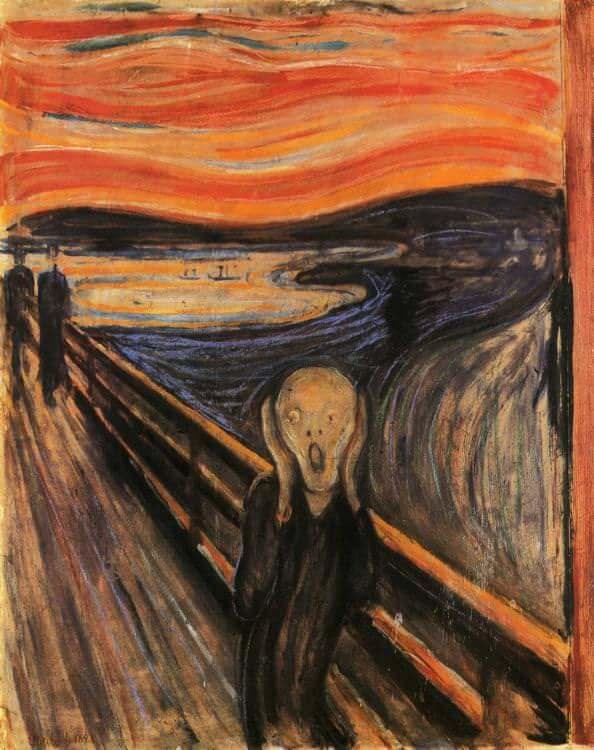
The Scream is one of the most famous works by Norwegian painter Edvard Munch. The piece is renowned for its powerful depiction of anguish and anxiety, and it has been the subject of countless interpretations and critical analyses. After Leonardo da Vinci's Mona Lisa, Munch's The Scream may be the most iconic human figure in the history of Western art.
An interesting fact about this painting is that Munch did not originally conceive it as a masterpiece, but as part of a series of four paintings exploring similar themes of despair and anguish. In fact, the most famous version of "The Scream" is one of four that Munch painted at different points in his career, now held in different art collections.
Another interesting fact is that, although the work is commonly interpreted as a depiction of Munch's personal anguish, the artist himself claimed that his inspiration came from an experience he had while walking along a bridge in Oslo, where he felt a sudden wave of anxiety and heard "a scream passing through nature". This anecdote is widely known and has become part of the painting's history.
What is the meaning and history behind The Scream? In what he called his "soul painting", Edvard Munch reveals an honest, perhaps even unflattering, look at his inner turmoil and feelings of anxiety, placing greater importance on personal meaning than on technical skill or "beauty", art's traditional aim. According to Munch's diaries, the idea and inspiration for The Scream were autobiographical.
The Scream is undoubtedly one of the most iconic works of modern art and has been referenced countless times in popular culture, including in film, music and literature. The image of the figure screaming with its hands pressed to its cheeks has become a universal symbol of anguish and despair.
The technique Munch used for the work is also remarkable: he created the painting using a combination of oil, tempera and pastel on cardboard. This technique allowed him to achieve a unique texture and a sense of instability in the image that reflects the anguish and anxiety it portrays.
The Scream has also been the target of theft and vandalism on several occasions. In 1994, the most famous version of the work was stolen from the National Gallery in Oslo, but was recovered a few months later in a police operation. The painting has also been damaged twice — once with a knife in 1994 and again with spray paint in 2004 — but was successfully restored both times.
The Scream ranks no. 3 on the list of famous paintings