


Description
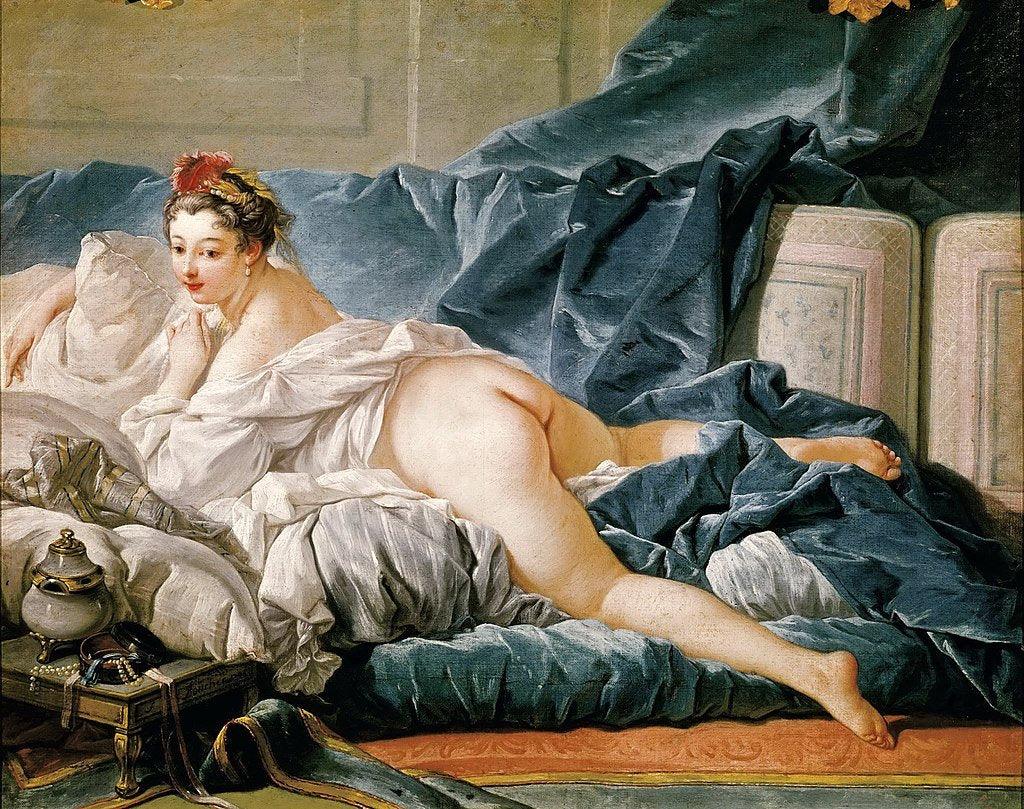
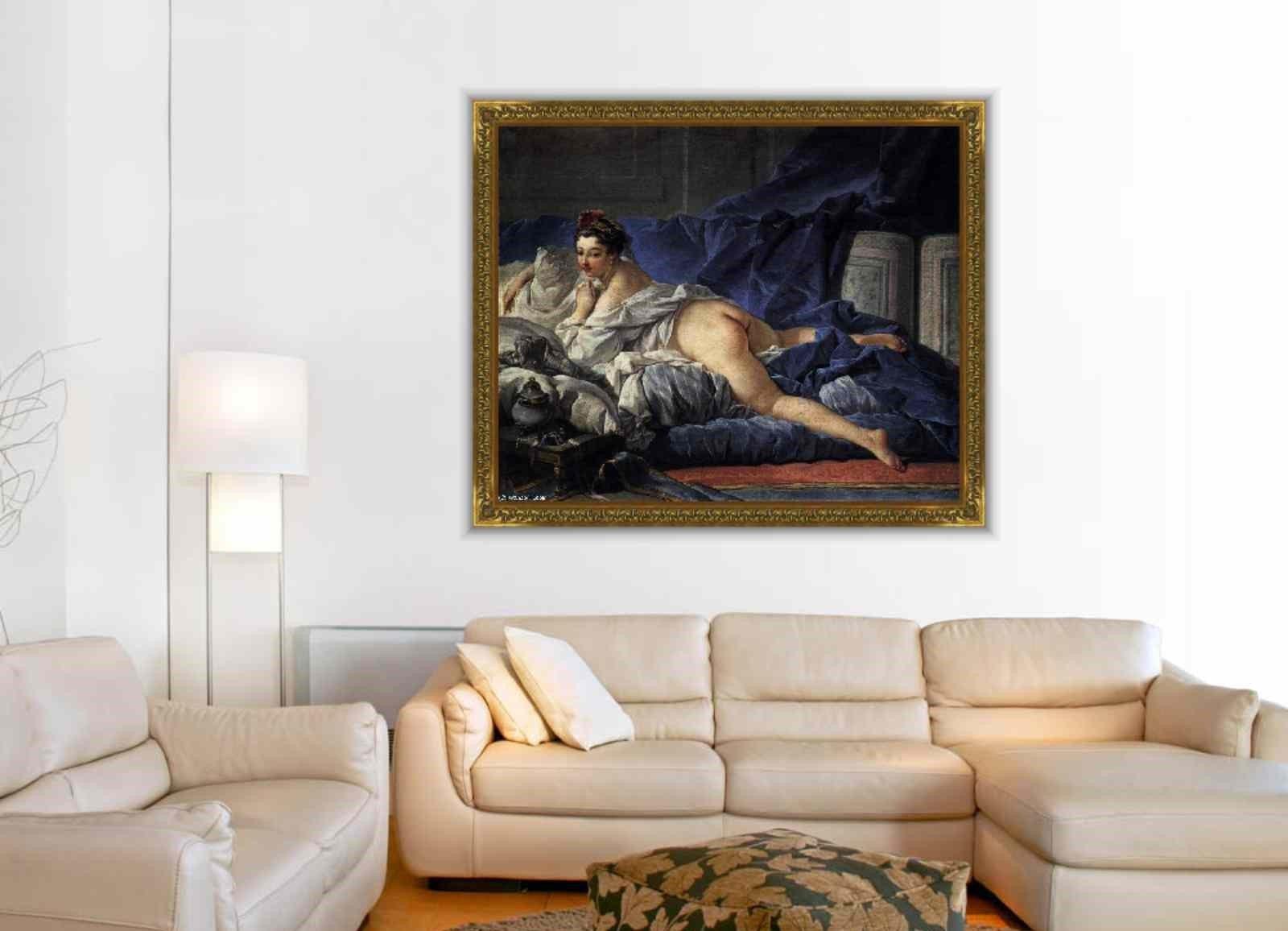
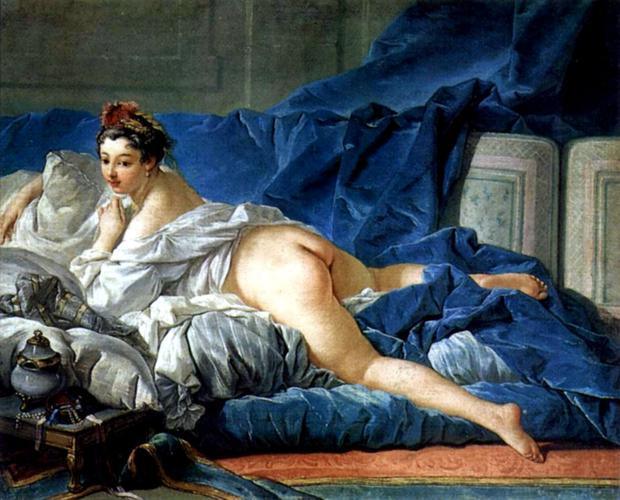
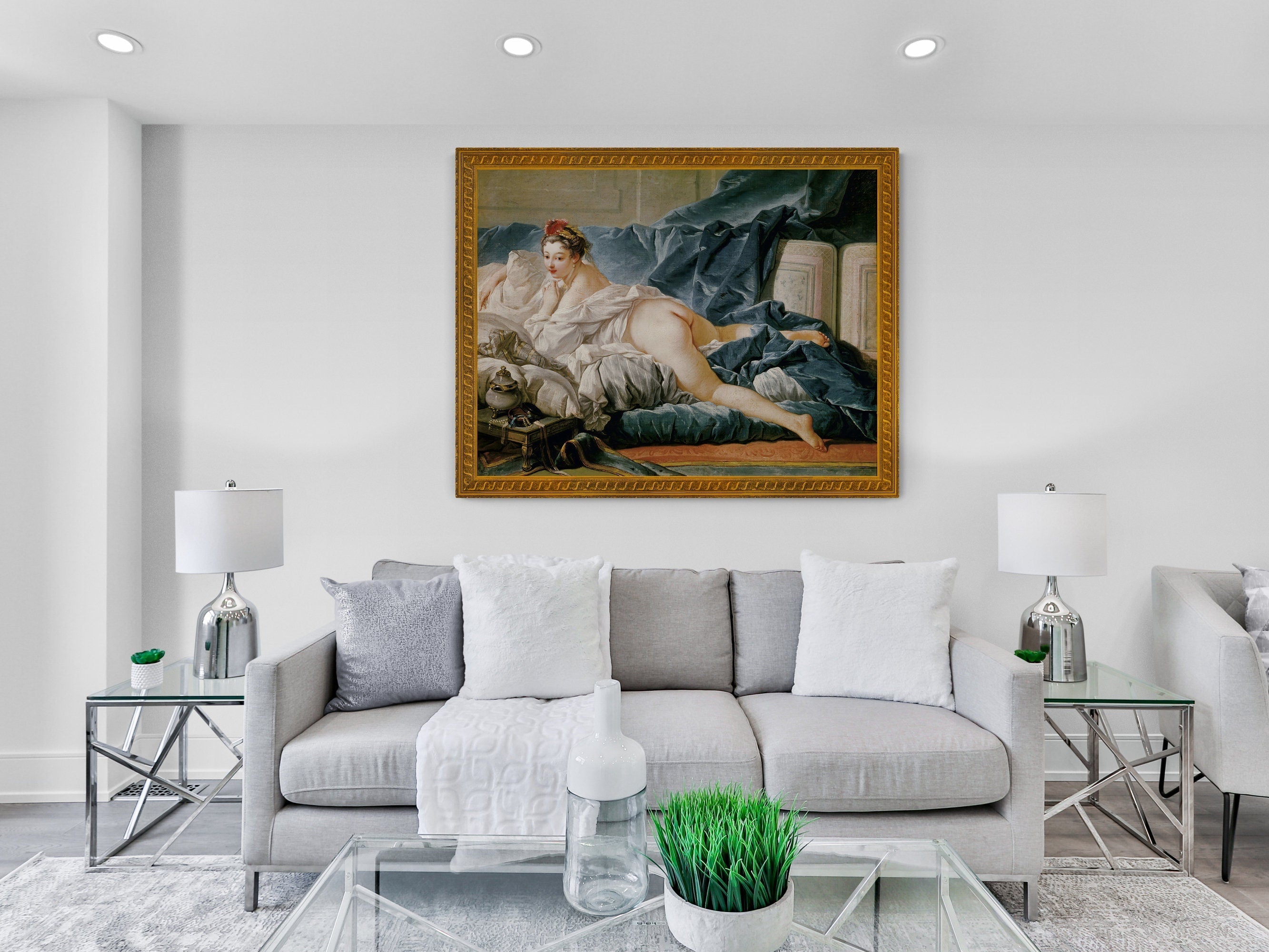
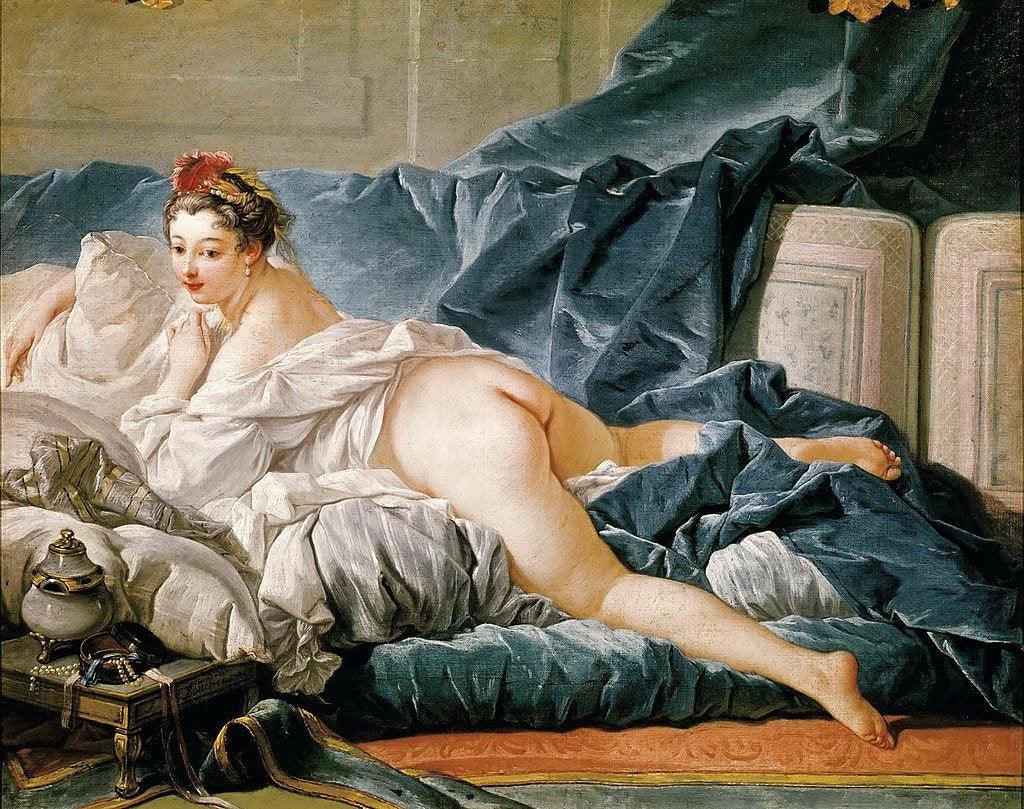
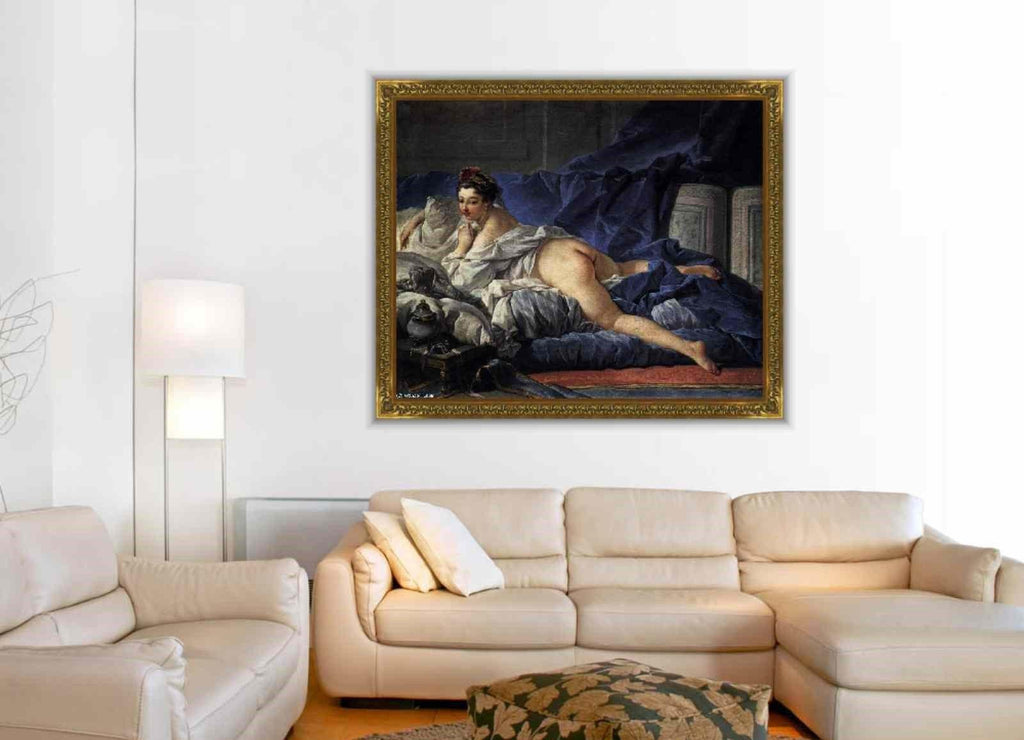
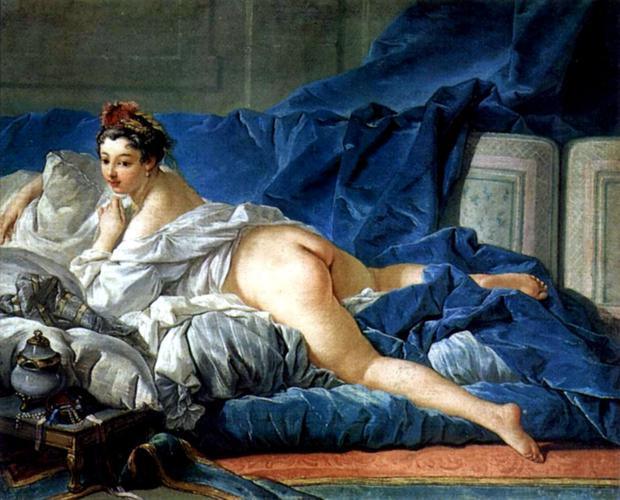
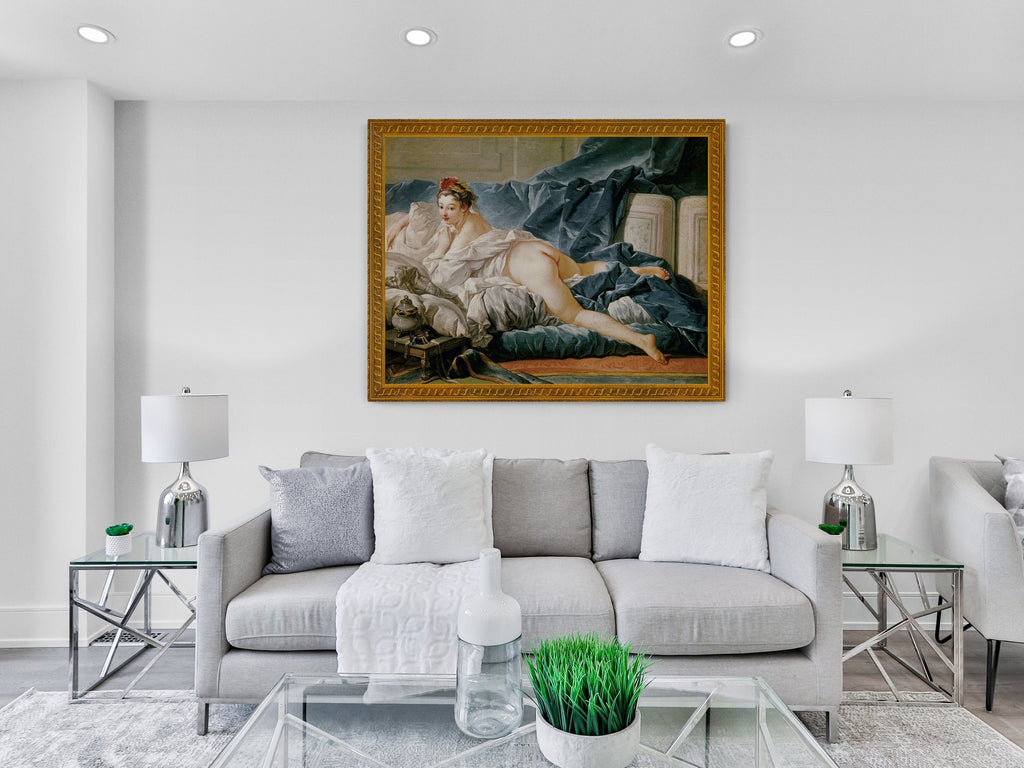
The Brunette Odalisque is a painting by the French artist François Boucher, depicting an exotic nude woman reclining on a divan, surrounded by curtains and cushions. The work is a typical example of Orientalist painting, a genre that became popular in Europe in the 18th and 19th centuries.
An interesting fact about this painting is that the model for the odalisque is believed to have been a famous Turkish dancer named Zobeida, who captivated French audiences with her exotic performances at the Paris Opera in the 1730s. Boucher drew inspiration from Zobeida and other oriental dancers to create his idealized depiction of an exotic, sensual female figure.
The Brunette Odalisque is one of Boucher’s most famous works and has been copied and reproduced numerous times over the years. The painting has also been the subject of controversy and criticism because of its idealized, stereotypical depiction of the Oriental female figure, which some have criticized as a form of exoticism and objectification.
Another interesting fact about The Brunette Odalisque is that it is said to have originally been created to decorate the boudoir (a small private sitting room) of Queen Marie Leszczyńska at the Palace of Versailles. The image was intended to be part of a series of paintings depicting the four seasons, but ultimately became a standalone work because of its great popularity.
Boucher was one of the leading representatives of French Rococo, an artistic movement characterized by its decorative, elegant, and cheerful style. The Brunette Odalisque is a typical example of the Rococo style, with its soft pastel tones, delicate lighting, and ornamental details such as the drapery and cushions. Rococo developed in 18th-century France as a reaction to the heavier, more dramatic Baroque style, and was characterized by its emphasis on elegance, grace, and beauty.
The Brunette Odalisque ranks No. 92 on the list of famous paintings